Research, evidence, and sources
What this page is for
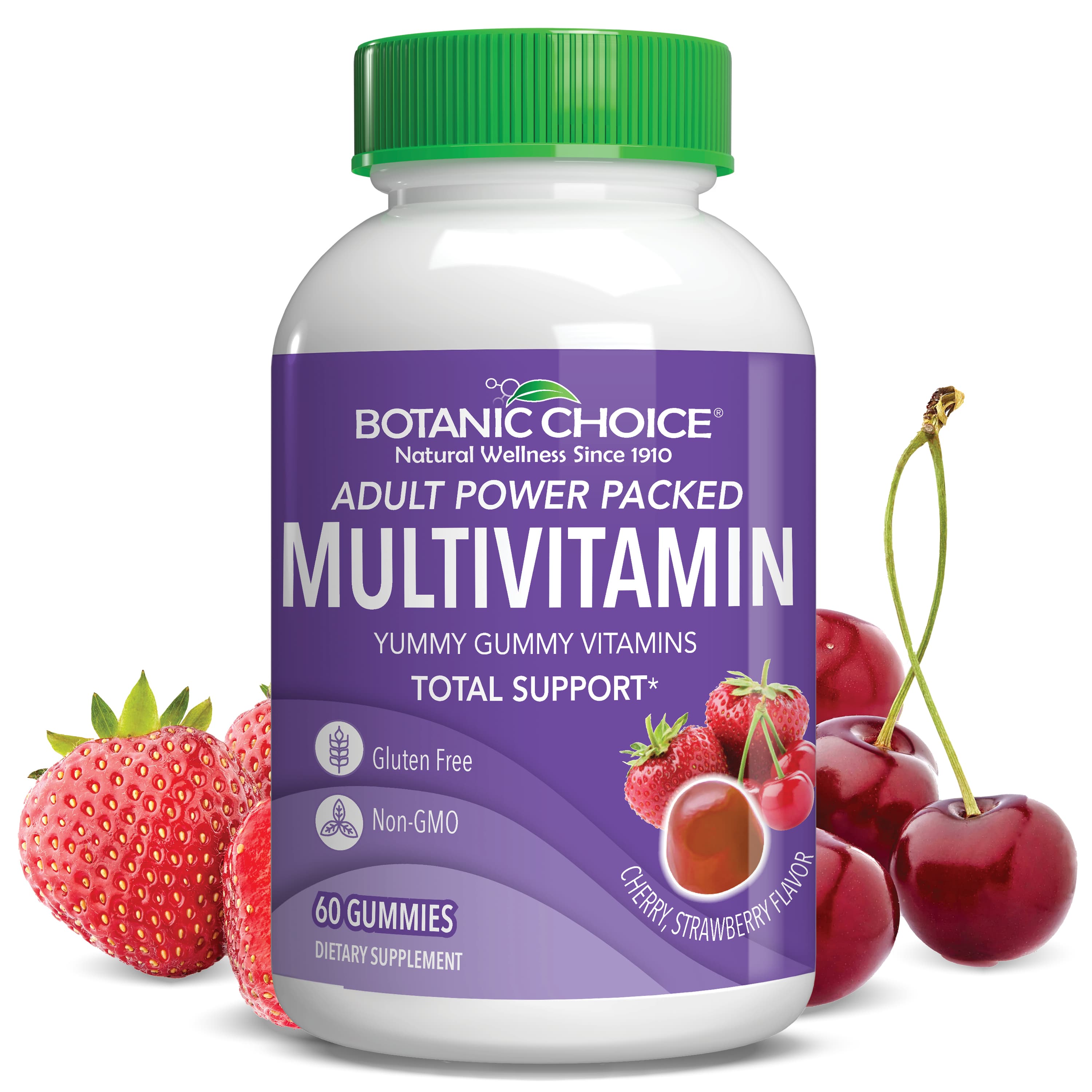
There is no standard multivitamin. Companies choose the vitamins, the minerals, and the amounts. A card on this page means the published label was classified as a multivitamin. It does not mean that bottle produces nourishment.
What the reviewed sources say
“Multivitamin/mineral (MVM) supplements contain a combination of vitamins and minerals and sometimes other ingredients.”
The NIH consumer fact sheet defines a multivitamin/mineral supplement as a combination of vitamins and minerals, sometimes with other ingredients. People also call them multis or simply vitamins. Each nutrient in the bottle has its own fact sheet. This page does not repeat all of them.
These products cannot take the place of eating a variety of foods. Food also provides fiber and other ingredients. There is no standard formula and no standard ingredient list. The most common products are basic, once-daily bottles with amounts close to recommended levels. Others contain more than the recommended amount of some nutrients. Taking one increases what someone gets in a day, which can help when food alone falls short. It can also push some nutrients too high, including iron, vitamin A, zinc, niacin, and folic acid, when the product itself is already high.
Most studies reviewed on that page found that taking these supplements has little or no effect on cancer, heart disease, and other health outcomes. A matching label is a shopping fact. It is not evidence that one branded bottle changes health.
Multivitamin/mineral Supplements — Consumer Fact Sheet NIH Office of Dietary Supplements. Updated 2024-02-15. Retrieved 2026-10-07.
“People should get most of their nutrients from food and beverages, according to the federal government’s Dietary Guidelines for Americans.”
The NIH vitamin D fact sheet repeats a point from the Dietary Guidelines for Americans: people should get most of their nutrients from food and beverages. Foods carry vitamins, minerals, fiber, and other pieces that a multivitamin does not copy. Fortified foods and dietary supplements are described as useful when someone cannot otherwise meet the need for one or more nutrients, including at some life stages such as pregnancy. That statement does not turn a multivitamin into a meal.
Vitamin D — Consumer Fact Sheet NIH Office of Dietary Supplements. Updated 2022-11-08. Retrieved 2026-10-07.
“The nutrition label for a dietary supplement is called a “Supplement Facts” panel.”
A food package uses a Nutrition Facts panel. A dietary supplement uses a Supplement Facts panel. The FDA’s labeling guide states that difference. Reading one panel does not tell you what the other product contains.
Dietary Supplement Labeling Guide: Chapter IV. Nutrition Labeling U.S. Food and Drug Administration. Retrieved 2026-10-05.
How to compare a label
“The nutrition label for a dietary supplement is called a “Supplement Facts” panel.”
Start with the Supplement Facts panel. The FDA’s labeling guide uses that name for a dietary supplement’s nutrition label.
Read the ingredient name, the amount per serving, and the serving size. A blend that lists several ingredients is a different product from a bottle that is only one of them. The price on a retailer card is the package price, not a price per serving, and a sale ribbon is not a checked comparison price.
- Dosage unit converterConvert grams, milligrams, and micrograms. IU converts only when the vitamin form is known.
- Price per servingSee what one serving costs from the container price and the servings on the label.
- Cost per labeled amountSee what a labeled amount of an ingredient costs. A second product is optional.
- Daily nutrient targetsPublished folate, magnesium, and vitamin A figures for a life stage.
Dietary Supplement Labeling Guide: Chapter IV. Nutrition Labeling U.S. Food and Drug Administration. Retrieved 2026-10-05.
Labels you can open
These lists match a published ingredient. Opening one is not a suggestion that the ingredient meets this goal.
Sources
- Multivitamin/mineral Supplements — Consumer Fact Sheet NIH Office of Dietary Supplements. Updated 2024-02-15. Retrieved 2026-10-07.
- Vitamin D — Consumer Fact Sheet NIH Office of Dietary Supplements. Updated 2022-11-08. Retrieved 2026-10-07.
- Dietary Supplement Labeling Guide: Chapter IV. Nutrition Labeling U.S. Food and Drug Administration. Retrieved 2026-10-05.