What it does
The NIH consumer sheet describes zinc as needed for immune function, wound healing, and the senses of taste and smell, among other jobs.
What research can and cannot say
The sheet is the source for what zinc supplements have and have not been shown to do. This page does not add a verdict of its own.
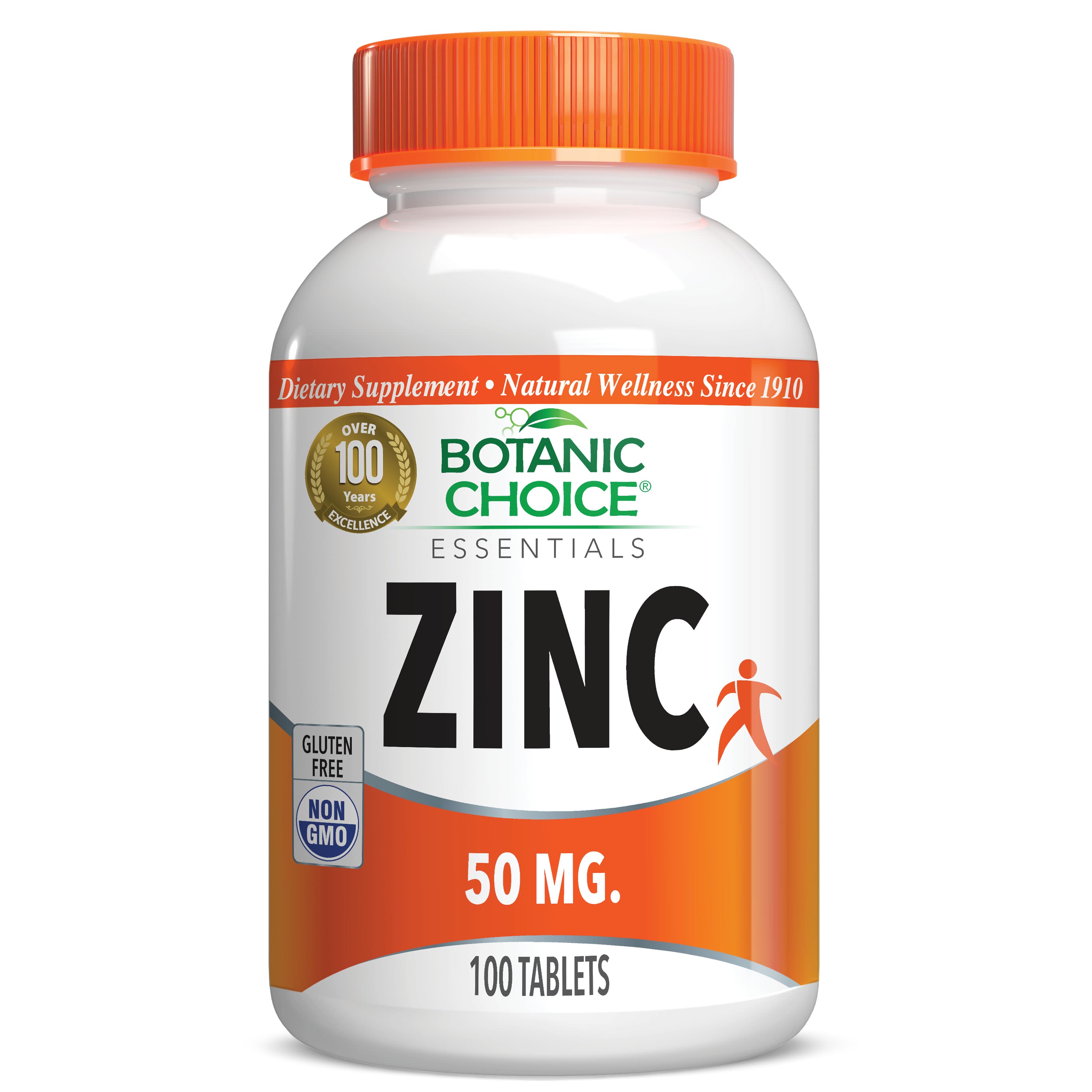
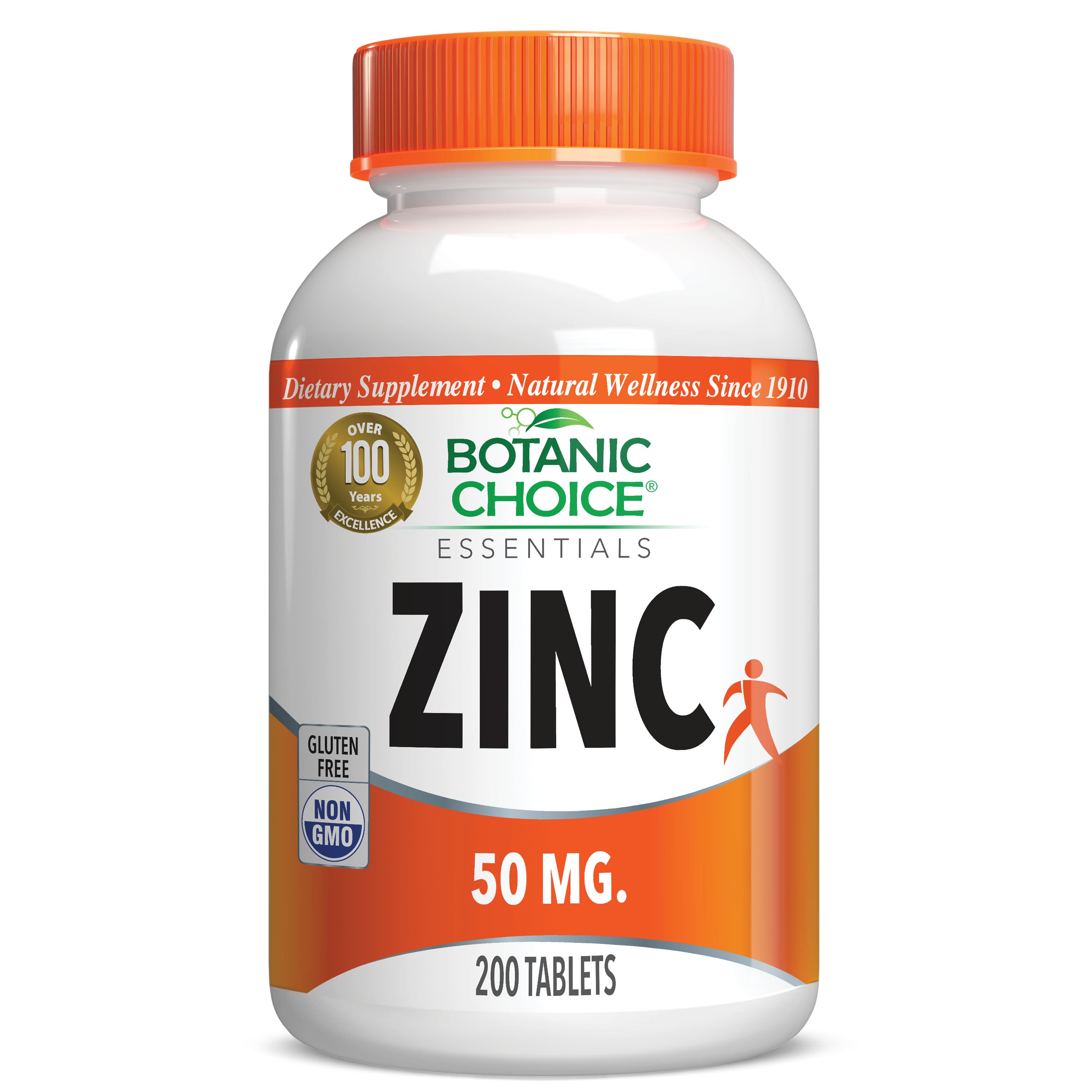
A zinc label is not a cold remedy and not a growth claim. Read the amount and the form before comparing price.
Forms and label reading
Labels may name gluconate, sulfate, acetate, or oxide. The milligrams may be the compound or the elemental zinc. Read which figure the panel uses.
These statements have not been evaluated by the Food and Drug Administration. This product is not intended to diagnose, treat, cure, or prevent any disease.
Amount and upper limit
Recommended amount. The NIH sheet lists 11 mg a day for men and 8 mg a day for women. Cited sheet
Upper limit. The sheet lists 40 mg a day as the upper limit for adults. Cited sheet
Safety
The sheet says too much zinc can cause nausea and can interfere with copper. The upper limit is printed on this page.
Food sources
The sheet names meat, shellfish, beans, nuts, and whole grains.