What it does
The NIH consumer sheet says vitamin A is important for normal vision, the immune system, reproduction, and growth and development. It also says vitamin A helps the heart, lungs, and other organs work. The body can turn some carotenoids, including beta-carotene, into vitamin A.
What research can and cannot say
The sheet separates food from supplements. It says people who eat foods that contain vitamin A or beta-carotene might have a lower chance of some cancers, and that trials have not shown that vitamin A or beta-carotene supplements lower that chance. It also says high-dose beta-carotene supplements raised the chance of lung cancer in people who smoke or used to smoke.
A vitamin A label does not show a change in vision, immunity, or cancer risk. Beta-carotene on a label is not the same thing as preformed vitamin A.
Forms and label reading
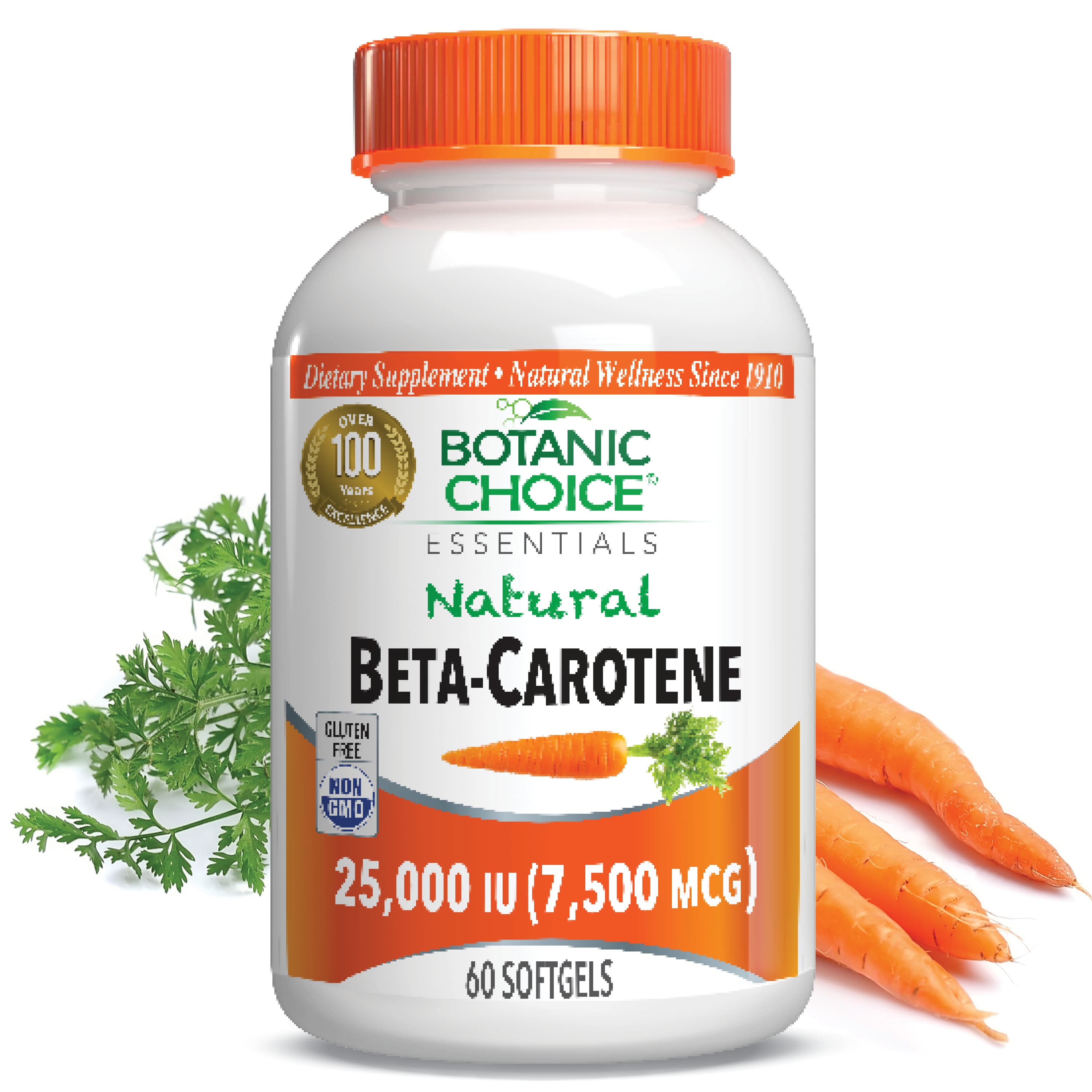
Supplements usually list retinyl acetate or retinyl palmitate (preformed vitamin A), beta-carotene (provitamin A), or a combination. Retinol is also preformed vitamin A. It is the substance, not the unit. mcg RAE is the measurement unit: retinol activity equivalents. If the product name says beta-carotene, read it as provitamin A. The upper limit on this page is for preformed vitamin A and does not apply to beta-carotene. Read the form and the unit on the Supplement Facts panel.
These statements have not been evaluated by the Food and Drug Administration. This product is not intended to diagnose, treat, cure, or prevent any disease.
Amount and upper limit
Recommended amount. The NIH sheet lists 900 mcg RAE a day for adult males and 700 mcg RAE a day for adult females. It lists 770 mcg RAE for pregnant women and 1,300 mcg RAE for breastfeeding women. The same table lists earlier ages. mcg RAE is the measurement unit, retinol activity equivalents. Retinol is a form of preformed vitamin A, not the unit. One mcg RAE equals 1 mcg of retinol. Cited sheet
Upper limit. The sheet lists 3,000 mcg a day as the upper limit for adults 19 and older. That limit is for preformed vitamin A from food, beverages, and supplements. The sheet sets no upper limit for beta-carotene. Cited sheet
Safety
The sheet says too much preformed vitamin A, usually from supplements or certain medicines, can cause severe headache, blurred vision, nausea, dizziness, muscle aches, and problems with coordination. Severe cases can lead to coma and death. Too much preformed vitamin A in pregnancy can cause birth defects. High beta-carotene does not cause those same problems. It can turn the skin yellow-orange, which goes away when intake drops. The sheet says smokers, former smokers, and people exposed to asbestos who take high-dose beta-carotene supplements have a higher chance of lung cancer. The upper limit on this page is for preformed vitamin A. Orlistat can lower vitamin A absorption.
Food sources
The sheet names fish such as herring and salmon, beef liver and other organ meats, dairy products, eggs, green leafy vegetables, orange and yellow vegetables such as sweet potatoes, carrots, broccoli, and winter squash, fruits such as cantaloupe, mangos, and apricots, and fortified breakfast cereals.