What it does
The NIH consumer sheet describes magnesium as a cofactor in more than 300 enzyme systems. Those reactions include protein synthesis, muscle and nerve function, blood glucose control, and blood pressure regulation.
What research can and cannot say
The same sheet discusses blood pressure, bone, and migraine in separate sections. It does not report a trial in which a magnesium supplement produced calm.
A magnesium label does not show that a bottle produces calm, sleep, or any other goal. Food remains the sheet's starting point for getting magnesium.
Forms and label reading
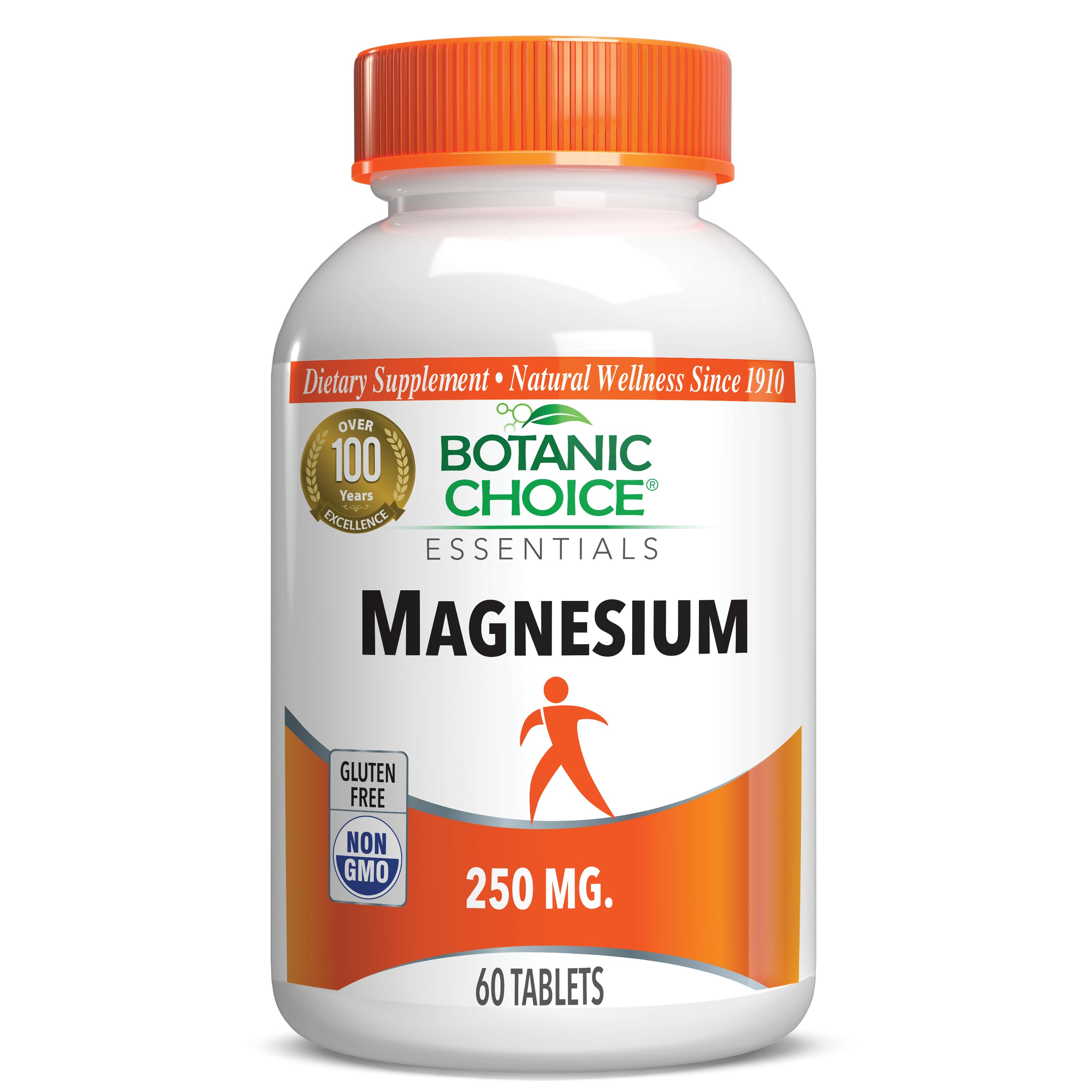
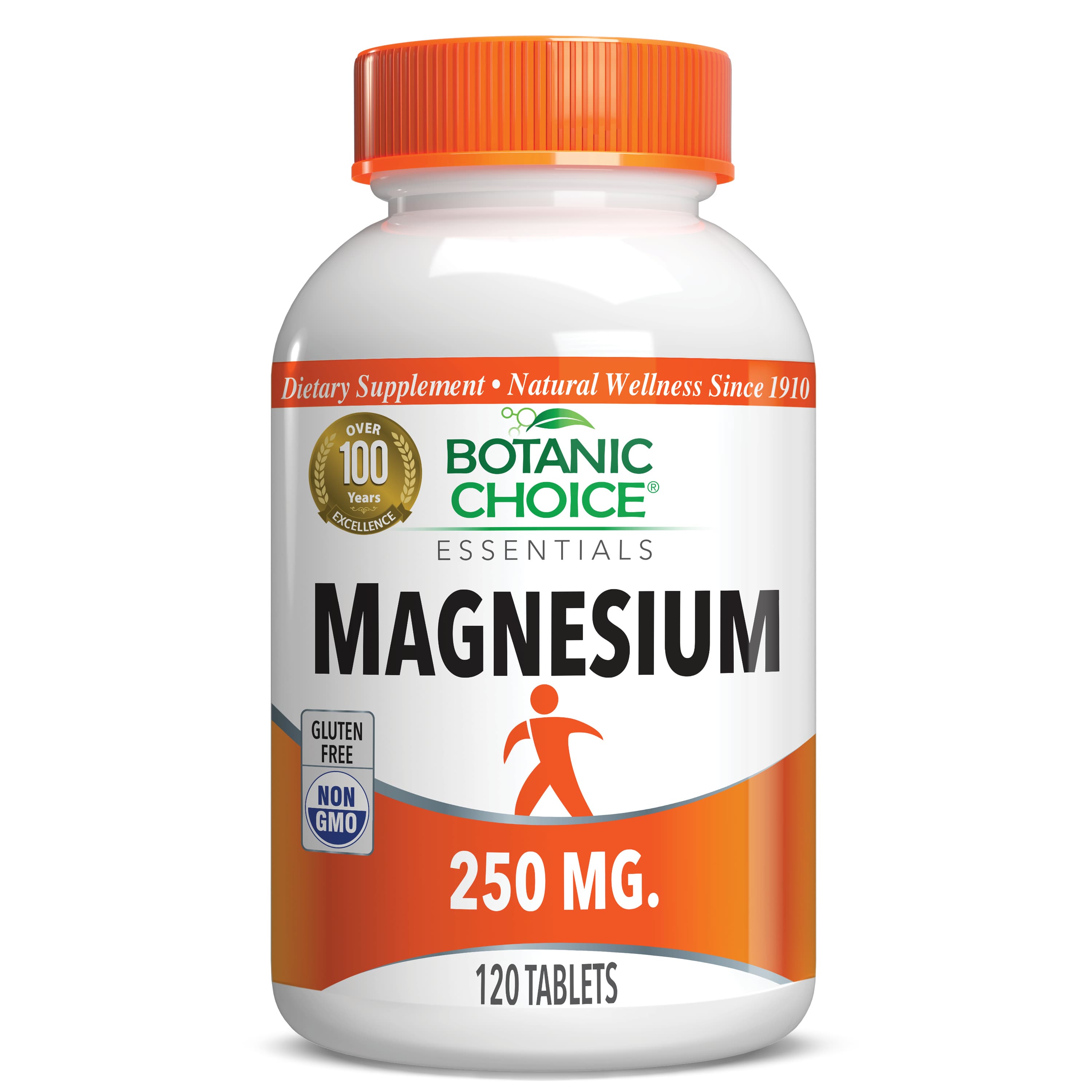
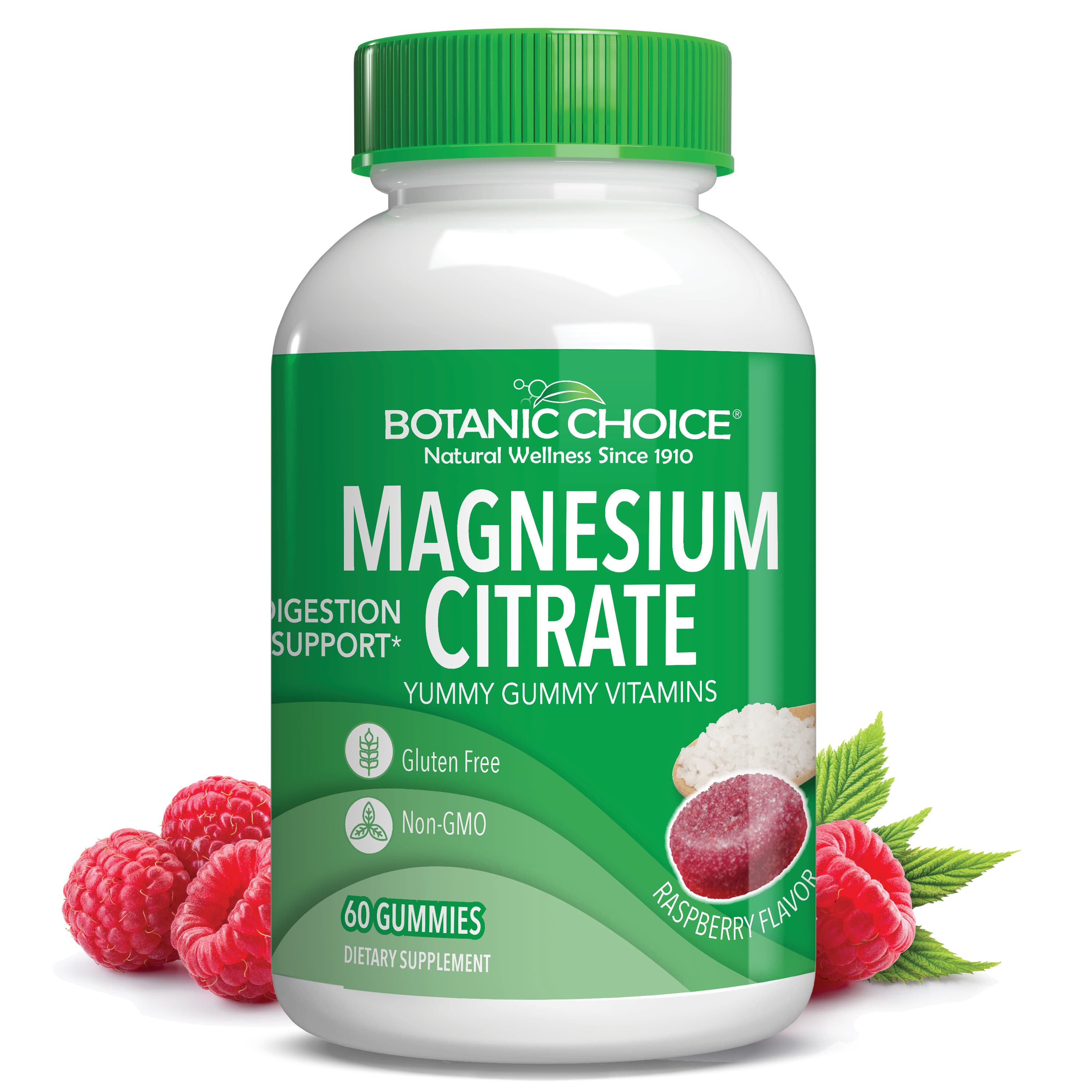
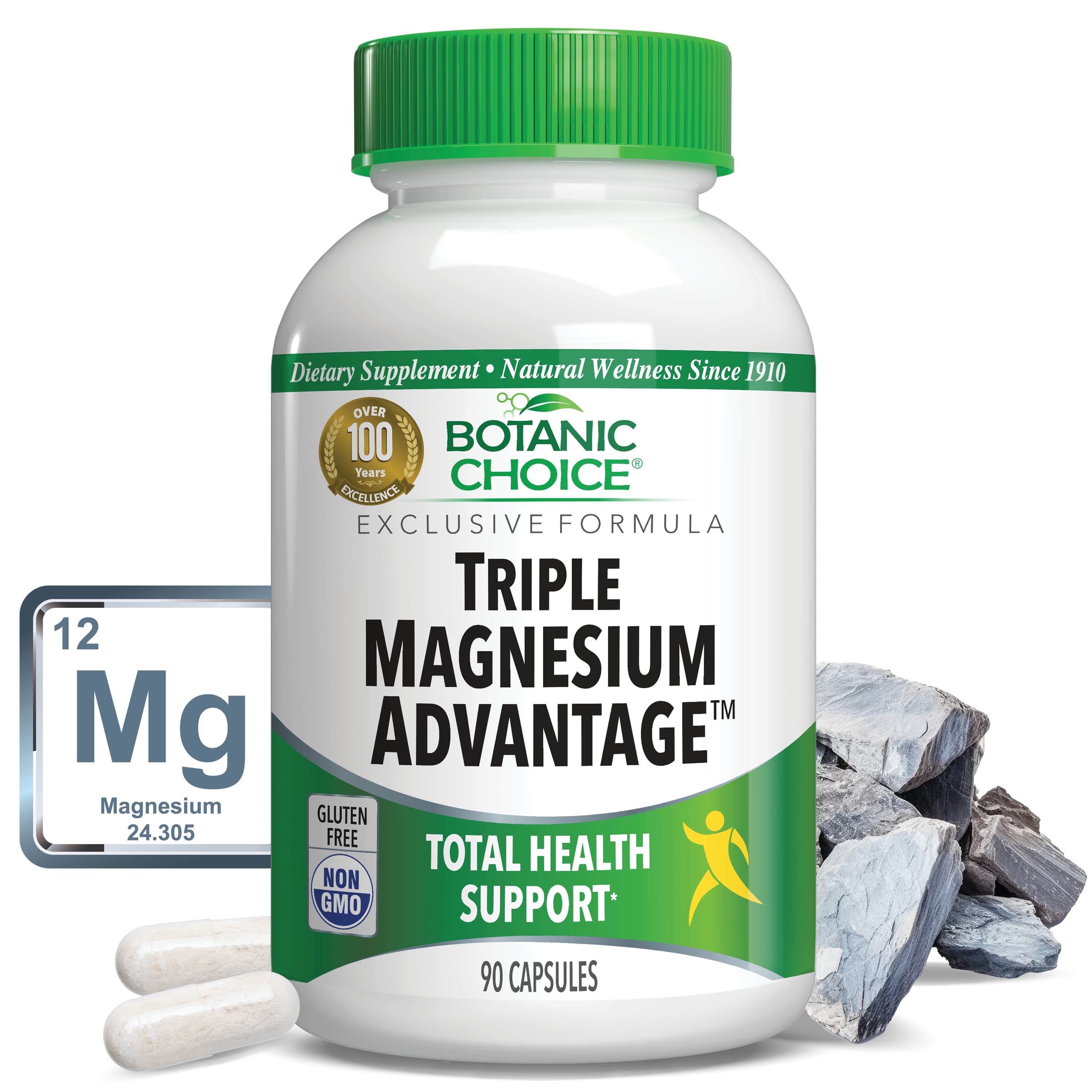
Labels often name glycinate, oxide, citrate, or l-threonate. The milligrams may be the whole compound or the elemental mineral. Read which one the Supplement Facts panel states.
These statements have not been evaluated by the Food and Drug Administration. This product is not intended to diagnose, treat, cure, or prevent any disease.
Amount and upper limit
Recommended amount. The NIH sheet lists 400 mg a day for men 19 to 30 and 420 mg for men 31 and older. It lists 310 mg for women 19 to 30 and 320 mg for women 31 and older. Cited sheet
Upper limit. The sheet lists 350 mg a day as the upper limit for magnesium from supplements and medicines for adults. That limit does not apply to magnesium from food. Cited sheet
Safety
The sheet says too much magnesium from supplements can cause diarrhea, nausea, and abdominal cramping. Very high intakes from supplements have been linked with more serious harm. People with kidney disease should read that warning on the sheet before using a supplement.
Food sources
The sheet names nuts, seeds, whole grains, beans, and green leafy vegetables among food sources.