Research, evidence, and sources
What this page is for
A nutrient’s ordinary job in the body is not, by itself, evidence that taking more of it reaches a wellness goal. A study of an ingredient is also not proof that one branded product does the same thing.
What the reviewed sources say
“Magnesium is a cofactor in more than 300 enzyme systems that regulate diverse biochemical reactions in the body, including protein synthesis, muscle and nerve function, blood glucose control, and blood pressure regulation.”
The NIH Office of Dietary Supplements describes magnesium as a cofactor in more than 300 enzyme systems. Those reactions include protein synthesis, muscle and nerve function, blood glucose control, and blood pressure regulation. Magnesium is also required for energy production. That is a description of chemistry in the body.
On type 2 diabetes, the same fact sheet summarizes prospective cohort studies in which people with higher magnesium intakes tended to have a lower risk. A 2011 meta-analysis covered on that page found the association was statistically significant in people with a body mass index of 25 or higher, and not in people below that. Cohort studies can be mixed up with other parts of diet and lifestyle. They do not show that a magnesium pill prevents diabetes.
Only a few small, short clinical trials have tested supplemental magnesium for blood-sugar control, and the fact sheet says the results conflict. One example is a 30-day trial in 128 people with poorly controlled diabetes. Another followed people who already had low magnesium for 16 weeks. The fact sheet quotes the American Diabetes Association: there is not enough evidence to recommend magnesium to improve glycemic control in people with diabetes, and no clear evidence that vitamin and mineral supplements help people with diabetes who do not have a nutritional deficiency.
High doses of magnesium from supplements can cause diarrhea, nausea, and abdominal cramping. People with kidney disease have a higher risk of magnesium toxicity. This page does not say how much anyone should take.
Magnesium — Health Professional Fact Sheet NIH Office of Dietary Supplements. Updated 2026-01-06. Retrieved 2026-10-07.
How to compare a label
“The nutrition label for a dietary supplement is called a “Supplement Facts” panel.”
Start with the Supplement Facts panel. The FDA’s labeling guide uses that name for a dietary supplement’s nutrition label.
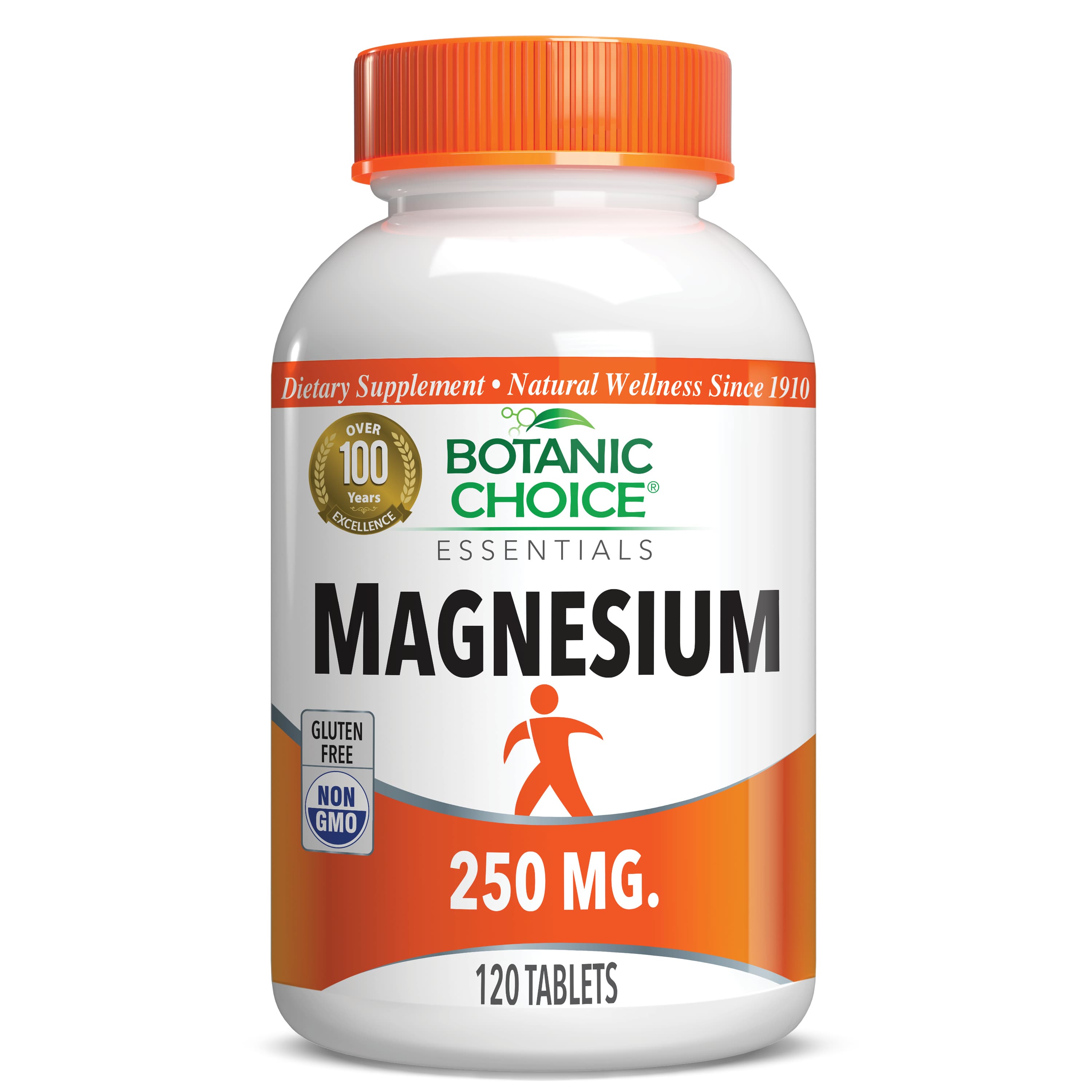
Read the ingredient name, the amount per serving, and the serving size. A blend that lists several ingredients is a different product from a bottle that is only one of them. The price on a retailer card is the package price, not a price per serving, and a sale ribbon is not a checked comparison price.
- Dosage unit converterConvert grams, milligrams, and micrograms. IU converts only when the vitamin form is known.
- Price per servingSee what one serving costs from the container price and the servings on the label.
- Cost per labeled amountSee what a labeled amount of an ingredient costs. A second product is optional.
- Daily nutrient targetsPublished folate, magnesium, and vitamin A figures for a life stage.
Dietary Supplement Labeling Guide: Chapter IV. Nutrition Labeling U.S. Food and Drug Administration. Retrieved 2026-10-05.
Sources
- Magnesium — Health Professional Fact Sheet NIH Office of Dietary Supplements. Updated 2026-01-06. Retrieved 2026-10-07.
- Dietary Supplement Labeling Guide: Chapter IV. Nutrition Labeling U.S. Food and Drug Administration. Retrieved 2026-10-05.