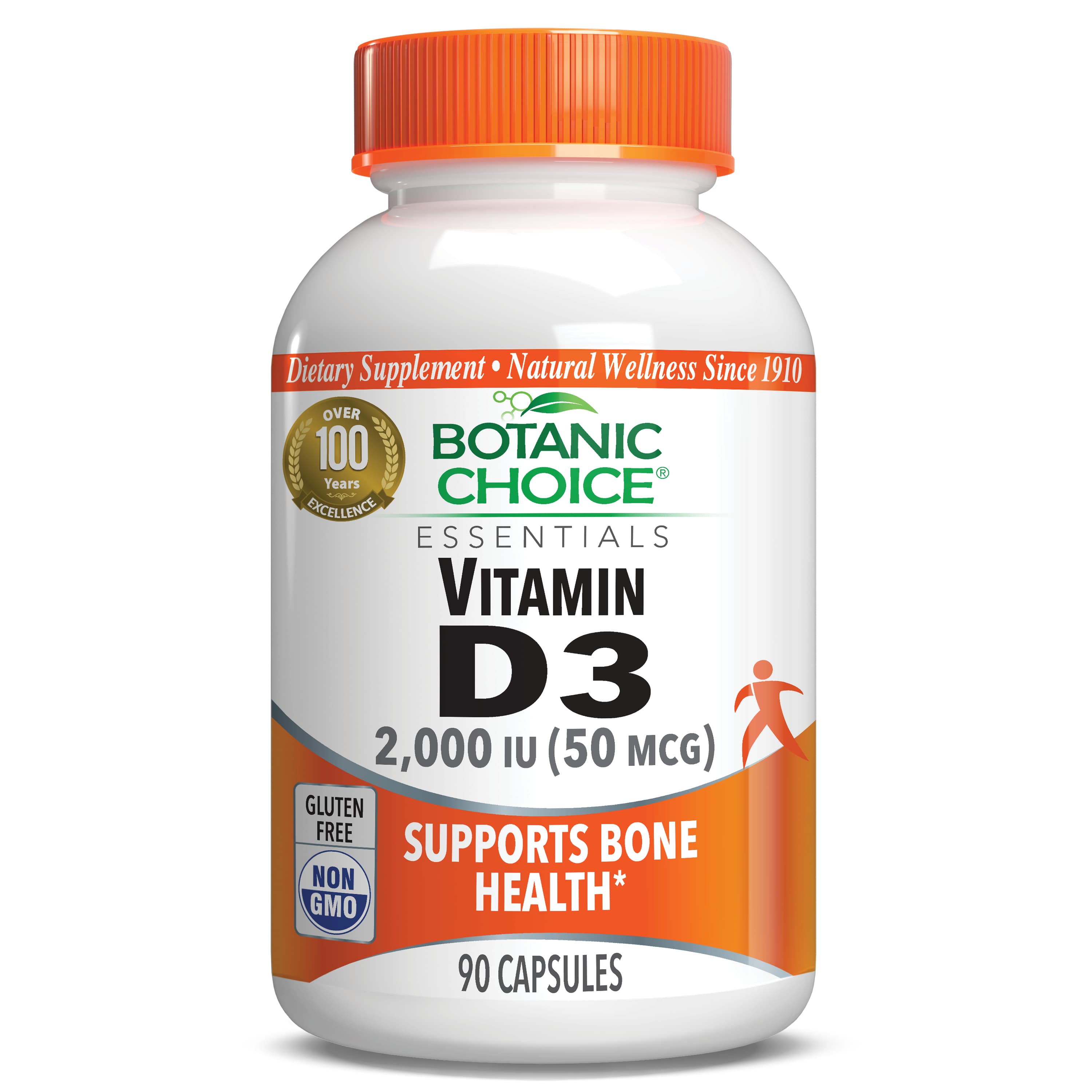
What it does
The NIH consumer sheet says vitamin D helps the body absorb calcium. It also describes a role in bone, muscle, and nerve function.
What research can and cannot say
The sheet separates getting enough vitamin D from claims about a finished bottle. A D3 label is one form. A bare vitamin D label may be D2 or D3.
This page does not turn a vitamin D3 product into a recommendation for mood, bone disease, or any other goal.
Forms and label reading
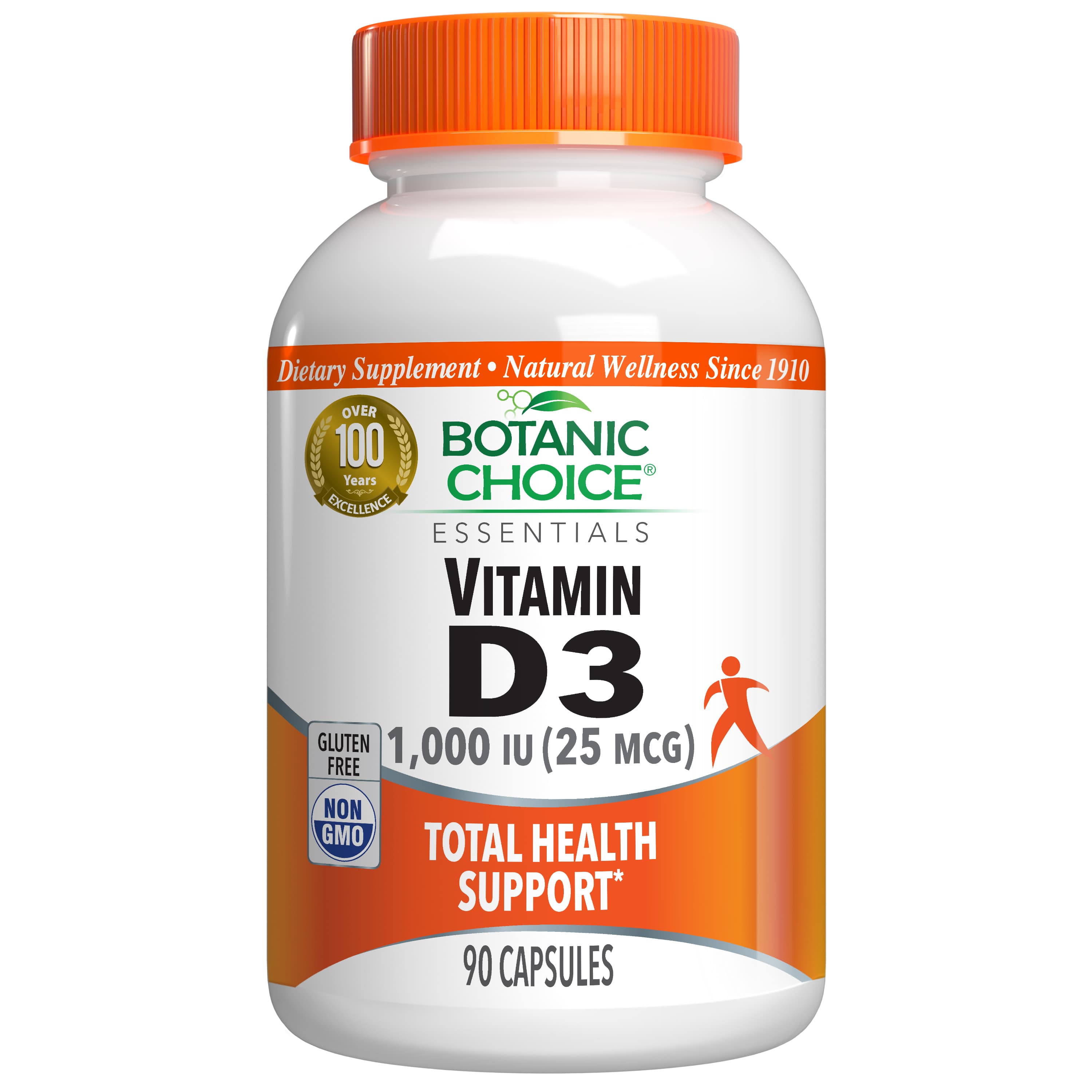
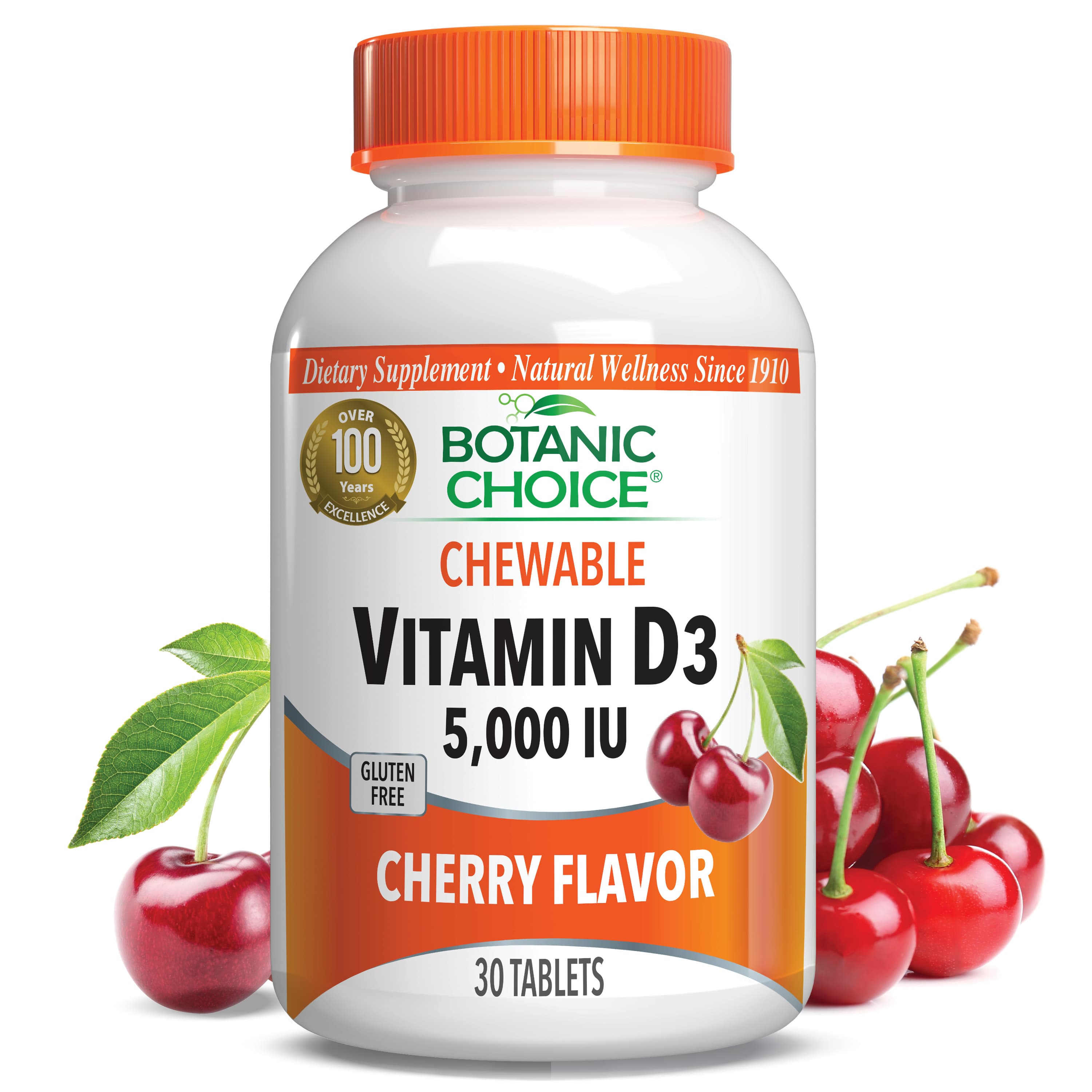
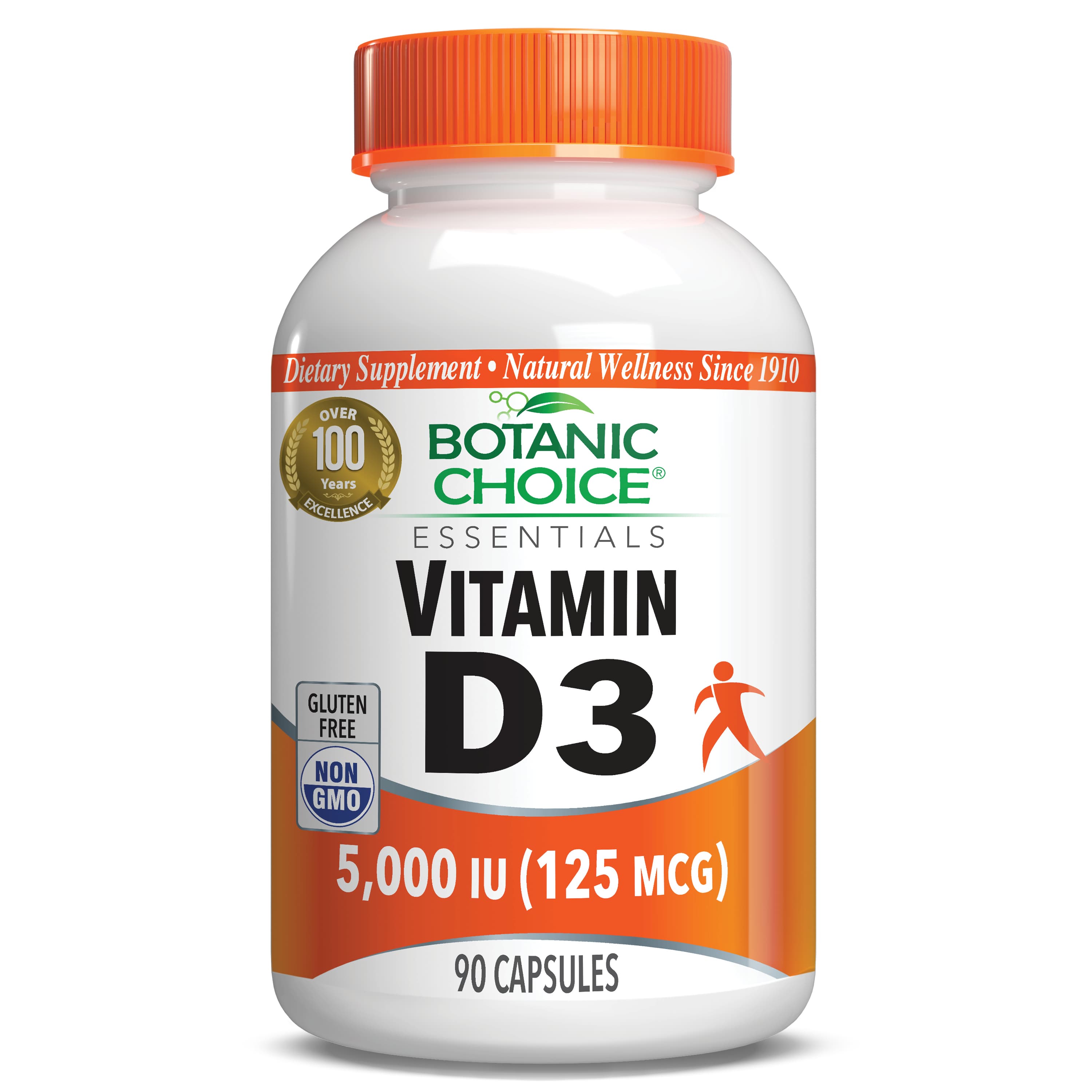
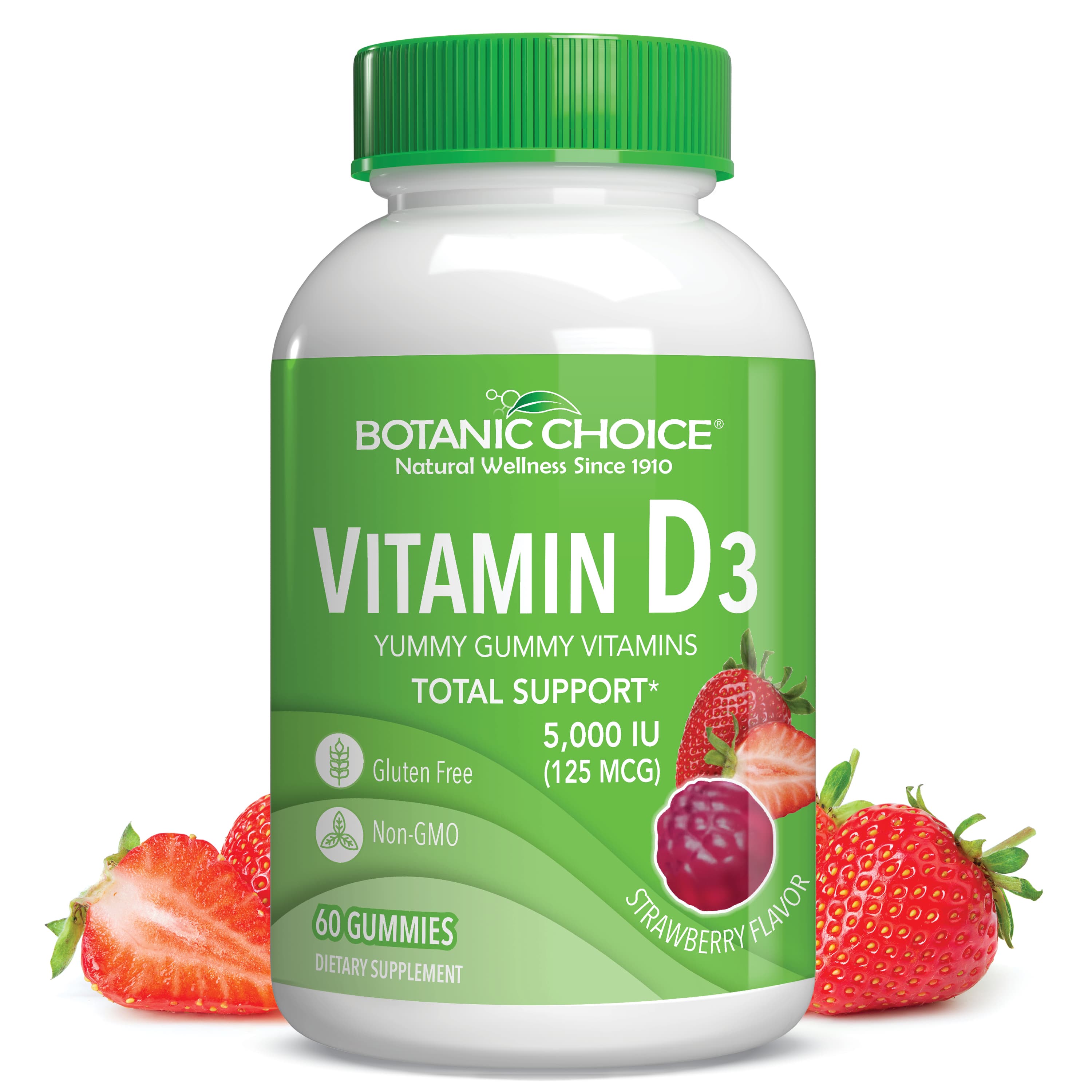
Cholecalciferol is vitamin D3. Ergocalciferol is vitamin D2. Labels may use mcg or IU. On the NIH sheet, 1 mcg of vitamin D is 40 IU. Read the unit the panel actually prints.
These statements have not been evaluated by the Food and Drug Administration. This product is not intended to diagnose, treat, cure, or prevent any disease.
Amount and upper limit
Recommended amount. The NIH sheet lists 15 mcg (600 IU) a day for people 1 to 70 years old, and 20 mcg (800 IU) for people older than 70. Cited sheet
Upper limit. The sheet lists 100 mcg (4,000 IU) a day as the upper limit for people 9 years and older. Cited sheet
Safety
The sheet says too much vitamin D can be harmful, including high blood calcium. The upper limit is on this page so it is not hidden behind the source link.
Food sources
The sheet names fatty fish, fortified milk and cereals, and sunlight as ways people get vitamin D. Sun exposure is not a dose.