
Magnesium Before Bed? Check More Than the Bottle.
If you take magnesium before bed, could you answer this the next morning?
How much magnesium did I actually take—and what did the rest of my evening look like?
“One capsule” tells you the quantity you swallowed. It doesn't yet tell you the magnesium amount. And remembering the capsule won't tell you when you last had caffeine, whether you wound down, or when you went to bed.
Before changing the bottle, put those details together.
This guide shows you how to read the amount, record what you took, and keep a simple bedtime habit log. If you're comparing products, those same details give you a clearer starting point.
My magnesium and bedtime log
Find your bottle
Use this label fills the bottle you are recording. View at retailer opens the store. Capsules with a complete serving size can fill the log. Other formats stay here for comparison.
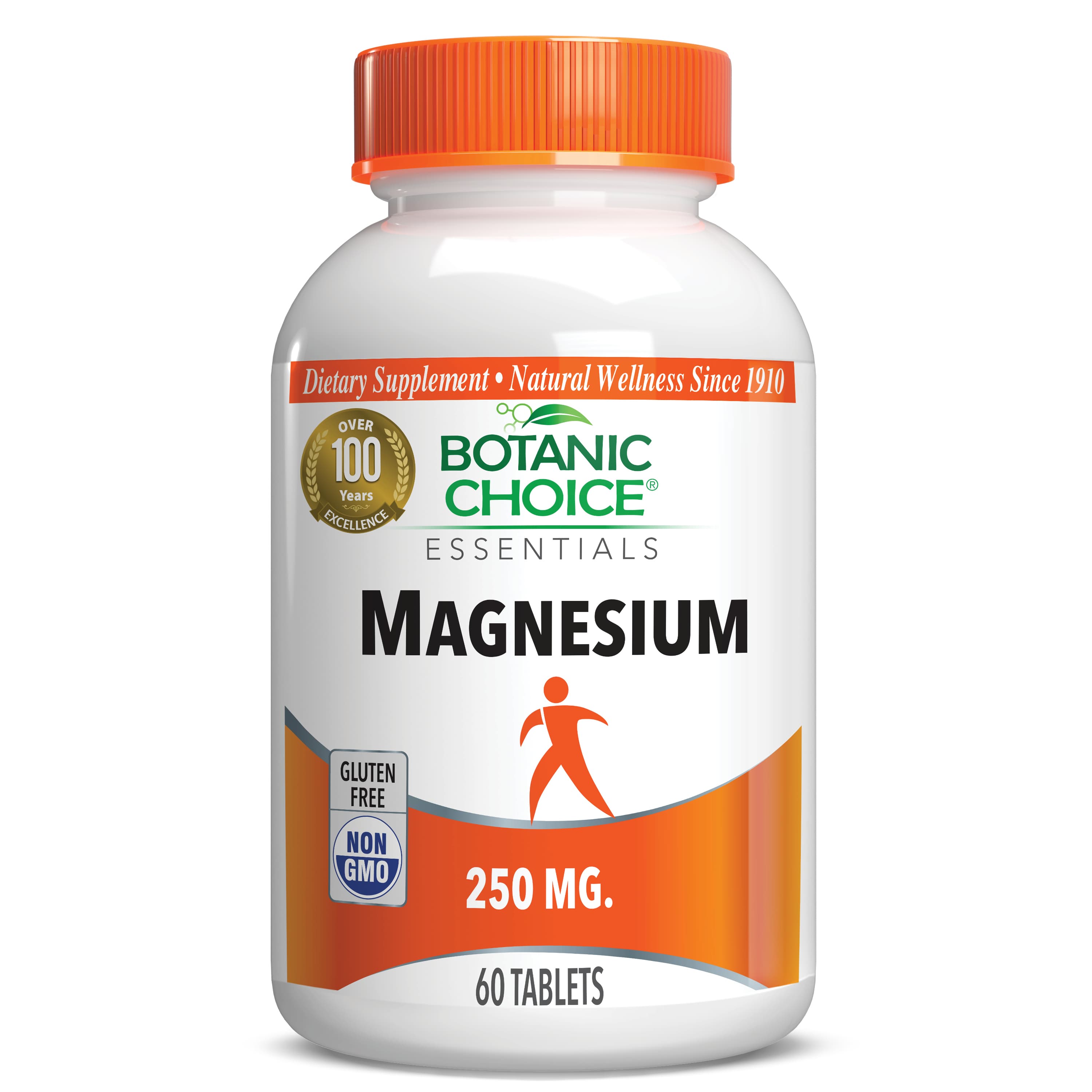
Magnesium 250 mg - Muscles And Bones Support Supplement - 60 Tablets
Botanic ChoiceTablet
250 mg per serving
USD 4.502026-10-28

Nature Made Magnesium 250 mg Tablets
Nature MadeTablet
250 mg per serving
USD 6.192026-10-27
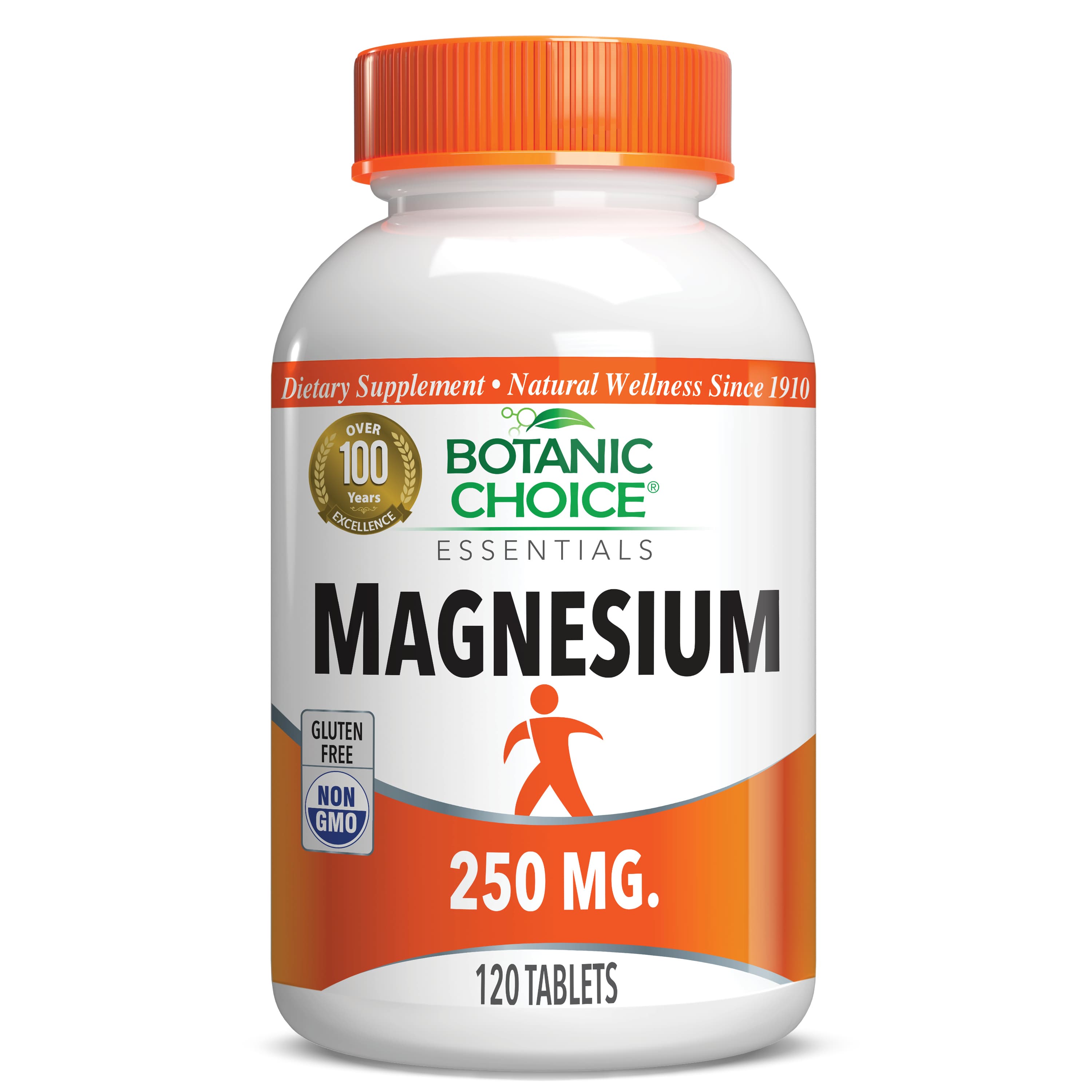
Magnesium - 120 Tablets
Botanic ChoiceTablet
250 mg per serving
USD 8.002026-10-28
Summary for
Add label details above to calculate magnesium from your recorded supplements.
Magnesium and bedtime log —

Supplements recorded:
- None recorded yet.

Last caffeine: Not recorded
Bedtime: Not recorded
Wake time: Not recorded

Bedtime habits:
- I made time to wind down before bed.: Not recorded
- I reduced bright screens or lighting before bed.: Not recorded
- I kept close to my usual sleep schedule.: Not recorded
- I made my sleeping space cool, quiet, and dark.: Not recorded

This total is magnesium from the supplement entries you recorded for this date. It is not total dietary intake, a recommended dose, or proof that magnesium changed your sleep.
One capsule is only half the answer
Start with the magnesium amount per serving and the serving size on the Supplement Facts panel. The FDA identifies ingredient quantities and serving size as information the panel must provide. 1
NIH's Office of Dietary Supplements explains that the panel lists elemental magnesium—the magnesium itself—rather than the weight of the whole magnesium-containing compound. Use that magnesium entry when recording your intake. 2
Here is an illustrative calculation, using a hypothetical product:
| Detail | Example |
|---|---|
| Magnesium listed per serving | 200 mg |
| Labeled serving size | 2 identical capsules |
| Capsules actually taken | 1 |
| Magnesium represented by that capsule | 200 × (1 ÷ 2) = 100 mg |
The example calculates the amount taken; it does not recommend an amount to take. It also assumes the capsules in the labeled serving are identical.
For a capsule or tablet product, the calculation is:
Listed magnesium per serving × (units actually taken ÷ units in one labeled serving).
Keep the units consistent. A capsule count cannot be substituted for a scoop or a liquid measure, and a packet containing different pills needs more information.
Our earlier guide, Buying Magnesium? Look Past the Biggest Number, walks through the label comparison in more detail.
Count what you took, including earlier in the day
If you already take more than one magnesium-containing supplement, record each one separately, including products taken earlier in the day. A complete recorded total needs enough label information for every entry. If an amount is missing, mark any known subtotal as incomplete.
Call that result “Magnesium from the supplements I recorded.” It leaves out food, medicines, and anything you haven't entered. An unknown amount stays unknown.
This is also why “I took the same number of capsules” isn't a complete comparison between two bottles. The listed amount and serving size can change.
If you don't take magnesium, you can still use the bedtime habit log. There is no need to start a supplement to make a useful record.
Does that amount tell you whether magnesium helps sleep?
The number answers how much your recorded supplement use represents. The sleep question needs separate evidence.
The National Center for Complementary and Integrative Health's May 2024 overview described the earlier magnesium-and-insomnia research as limited, with low-quality or conflicting findings. 3
A newer 2025 randomized, placebo-controlled trial enrolled 155 adults aged 18–65 who reported poor sleep. After four weeks, the magnesium bisglycinate group showed a modest improvement in questionnaire-measured insomnia symptoms compared with placebo. The effect size was small. 4
The trial relied on self-reports and studied one formulation over a short period. It did not establish a sleep benefit for every magnesium product or determine which form is best.
That gives you a useful distinction: a label supports an amount calculation; a study supports only the outcomes it actually tested.
Give the rest of your evening a place in the record
Now put the bottle down and look at the routine around it.
A useful entry includes your last caffeine, time you went to bed, and the habits you actually followed. NHLBI's sleep guidance supports a regular schedule, quiet time before bed, less bright artificial light in that period, and a cool, quiet, dark bedroom. Caffeine can interfere with sleep, with effects lasting up to eight hours. 5
Choose a few habits to note:
- I made time to wind down before bed.
- I reduced bright screens or lighting before bed.
- I kept close to my usual sleep schedule.
- I made my sleeping space cool, quiet, and dark.
Mark Yes, No, or Not recorded for each. Record the time of your last caffeine separately, or note that you had none.
This isn't a test you pass or fail. Work, caregiving, and changing schedules can make some evenings harder to manage. The value is in describing what happened accurately.
Make a record you can use tomorrow
You can use the log near the top of this page, or copy this static version into your notes. Repeat the product row for each supplement you took.
| What to record | Your entry |
|---|---|
| Date | ___ |
| Product name | ___ |
| Magnesium per labeled serving | ___ mg |
| Labeled serving size | ___ capsules/tablets |
| Units actually taken that day | ___ |
| Calculated magnesium from this product | ___ mg, or unknown |
| Time(s) taken, if known | ___ |
Add your last caffeine, bedtime, the four habit checks, and how you felt the following morning. Leave missing details blank rather than filling them from memory with a guess.
You now have something more useful than “I think that bottle helped”: a dated record of what you took and what accompanied it. Repeating the entry can help you describe your experience to a clinician. It cannot prove that magnesium caused a better or worse night.
Don't increase an amount to improve the record or chase a better result. If sleep difficulties persist or affect daily life, discuss them with a clinician. NHLBI identifies cognitive behavioral therapy for insomnia, or CBT-I, as the usual first treatment option for long-term insomnia. 6
Bring that clarity to your next comparison
Before starting or changing a supplement, discuss the label with a clinician or pharmacist—particularly if you take medicines or have kidney disease. Magnesium can interact with some medicines, and impaired kidney function increases the risk of magnesium toxicity. 2
If a magnesium supplement fits your plan, compare magnesium offers on Zynava. Check the exact product, magnesium amount, serving size, bottle size, and current retailer label before buying. Where serving counts are available, price per serving can add useful cost context; it doesn't make different products equivalent.
Know the amount. Notice the routine. Compare with a clearer picture.
Some shopping links on Zynava are affiliate links. We may earn a commission if you buy through them.
Zynava helps you explore supplement information. It does not provide medical advice. Ask a clinician before taking a supplement.
Sources
- U.S. Food and Drug Administration. Dietary Supplement Labeling Guide: Chapter IV. Nutrition Labeling. Label quantities and serving-size information.
- NIH Office of Dietary Supplements. Magnesium: Fact Sheet for Health Professionals. Elemental magnesium on labels, medication interactions, and kidney-related precautions.
- National Center for Complementary and Integrative Health. Sleep Disorders and Complementary Health Approaches. May 2024 overview of earlier sleep evidence.
- Schuster and colleagues. Magnesium Bisglycinate Supplementation in Healthy Adults Reporting Poor Sleep: A Randomized, Placebo-Controlled Trial. Nature and Science of Sleep, 2025. DOI: 10.2147/NSS.S524348.
- National Heart, Lung, and Blood Institute. Healthy Sleep Habits. Guidance on sleep schedules, light, caffeine, and the sleep environment.
- National Heart, Lung, and Blood Institute. Insomnia: Treatment. Treatment context for long-term insomnia.