What it does
The NIH consumer sheet says vitamin K is important for blood clotting and for healthy bones. It also says people who take warfarin (Coumadin) need about the same amount of vitamin K each day.
What research can and cannot say
The sheet says vitamin K matters for bones, and that trials of vitamin K supplements have not agreed on bone strength. It says more research is needed before a vitamin K supplement can be tied to heart disease. A labeled amount is not a bone result or a heart result.
A vitamin K label does not show a change in clotting, bones, or heart risk. K1 and K2 are forms on this page. Neither form is its own product recommendation.
Forms and label reading
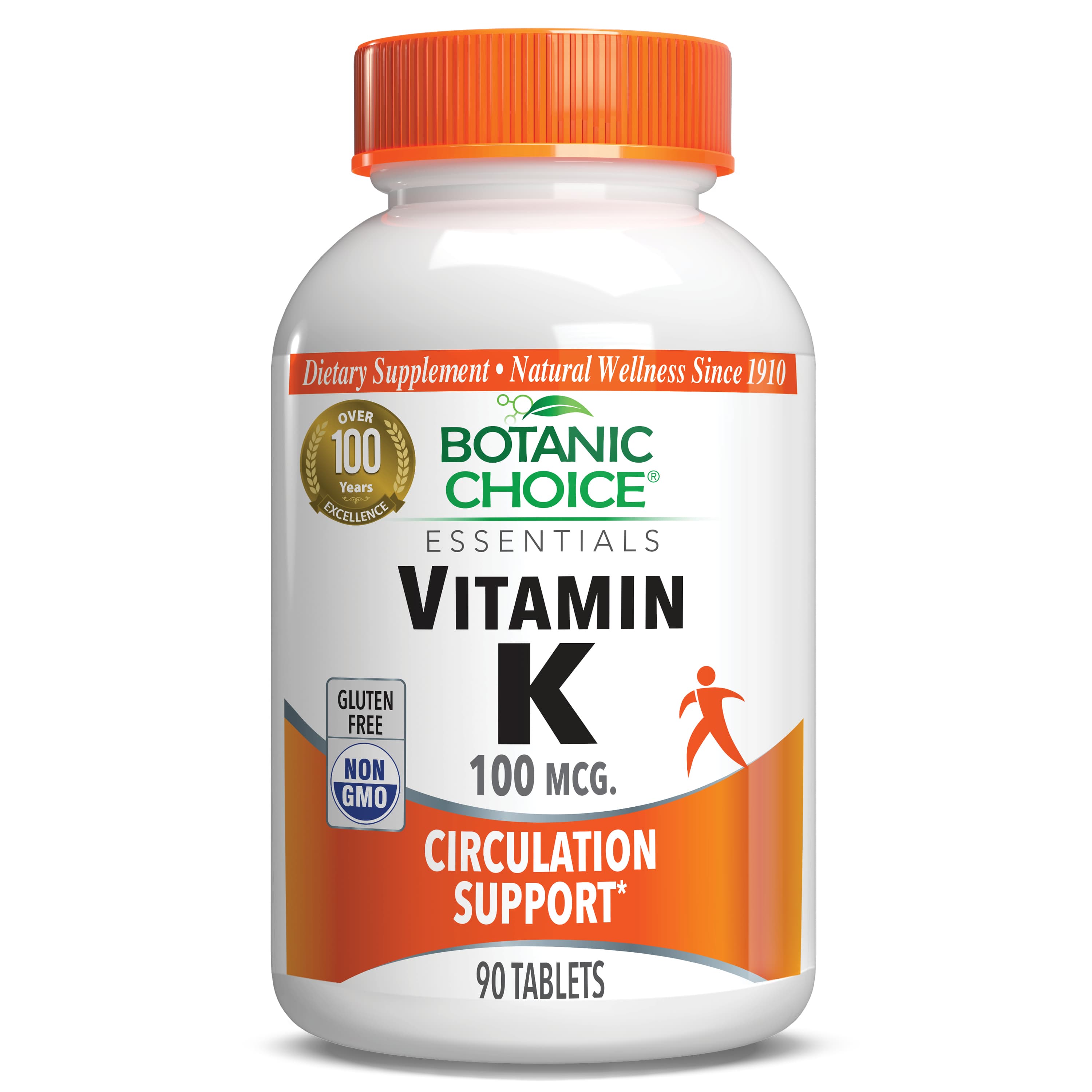
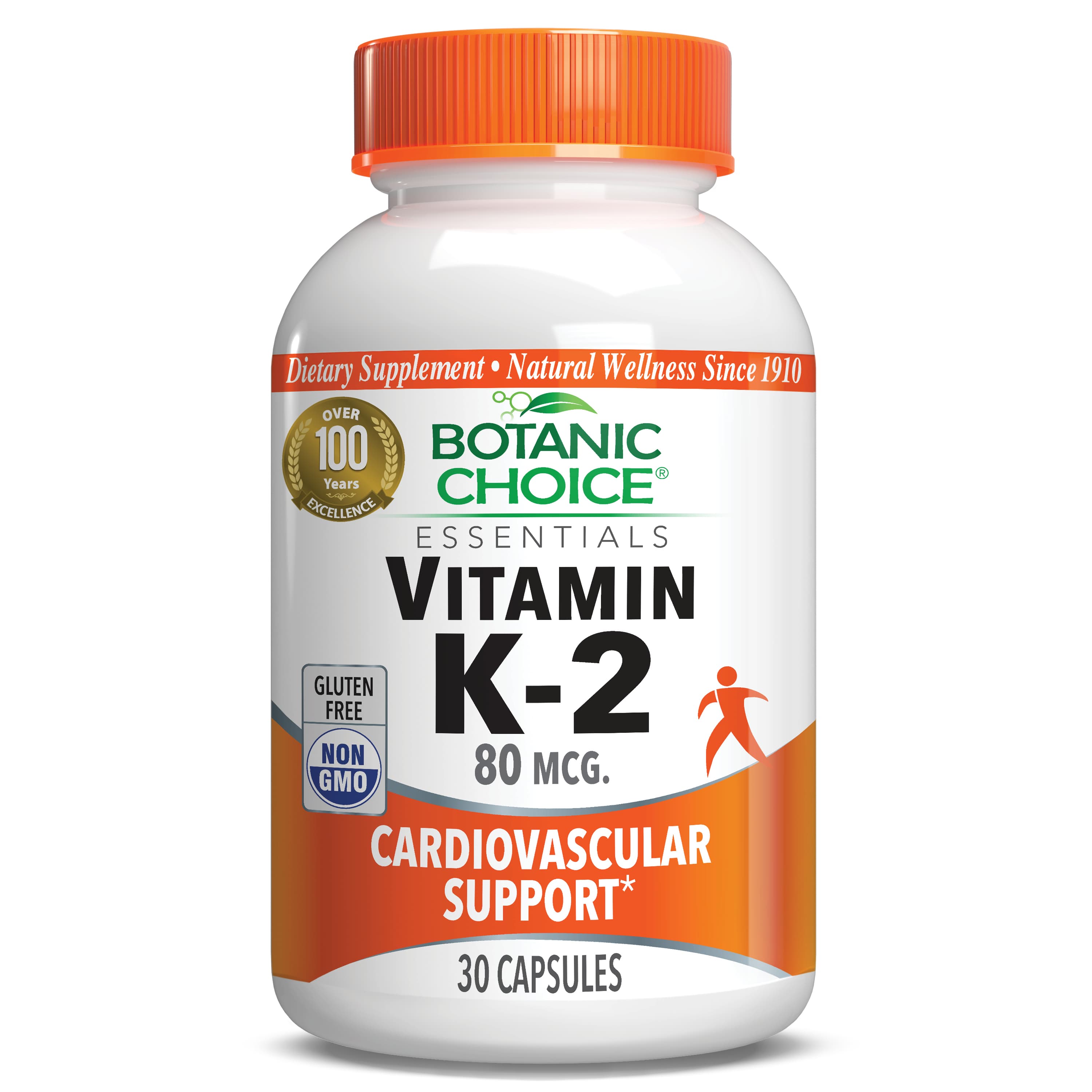
Common supplement forms are phylloquinone and phytonadione, also called vitamin K1, and menaquinone-4 and menaquinone-7, also called vitamin K2. A label that only says vitamin K still uses one of those forms. Read which one the Supplement Facts panel names. Some products combine vitamin K with calcium, magnesium, or vitamin D. Those are extra nutrients, not a different vitamin K.
These statements have not been evaluated by the Food and Drug Administration. This product is not intended to diagnose, treat, cure, or prevent any disease.
Amount and upper limit
Recommended amount. The NIH sheet lists 120 mcg a day for men 19 and older and 90 mcg a day for women 19 and older. It lists 75 mcg for teens 14 to 18, including teens who are pregnant or breastfeeding, and 90 mcg for pregnant or breastfeeding women. Cited sheet
Upper limit. The consumer sheet does not list an upper limit. It says vitamin K has not been shown to cause any harm from the amount itself, and that the serious problem is an interaction with some medicines, especially warfarin. Cited sheet
Safety
The sheet says vitamin K can have a serious interaction with warfarin (Coumadin). People who take warfarin should keep vitamin K from food and supplements about the same every day. A sudden drop can cause dangerous bleeding. A sudden increase can cause blood clots. Antibiotics taken for more than a few weeks may reduce vitamin K made by gut bacteria. Orlistat and some cholesterol medicines called bile acid sequestrants can lower vitamin K absorption. Severe deficiency can cause bruising and bleeding because the blood takes longer to clot.
Food sources
The sheet names green leafy vegetables such as spinach, kale, broccoli, and lettuce; vegetable oils; blueberries and figs; and meat, cheese, eggs, and soybeans. It identifies phylloquinone with green leafy vegetables and menaquinone with fermented foods and foods from animals.