What it does
The NIH consumer sheet says vitamin B12 helps keep nerve and blood cells healthy and helps make DNA. It also describes a role in energy metabolism.
What research can and cannot say
The sheet distinguishes getting enough B12 from claims about a particular bottle. A matching label is a shopping fact.
A B12 product is not evidence of more energy or sharper focus. Those are separate goal pages with their own limits.
Forms and label reading
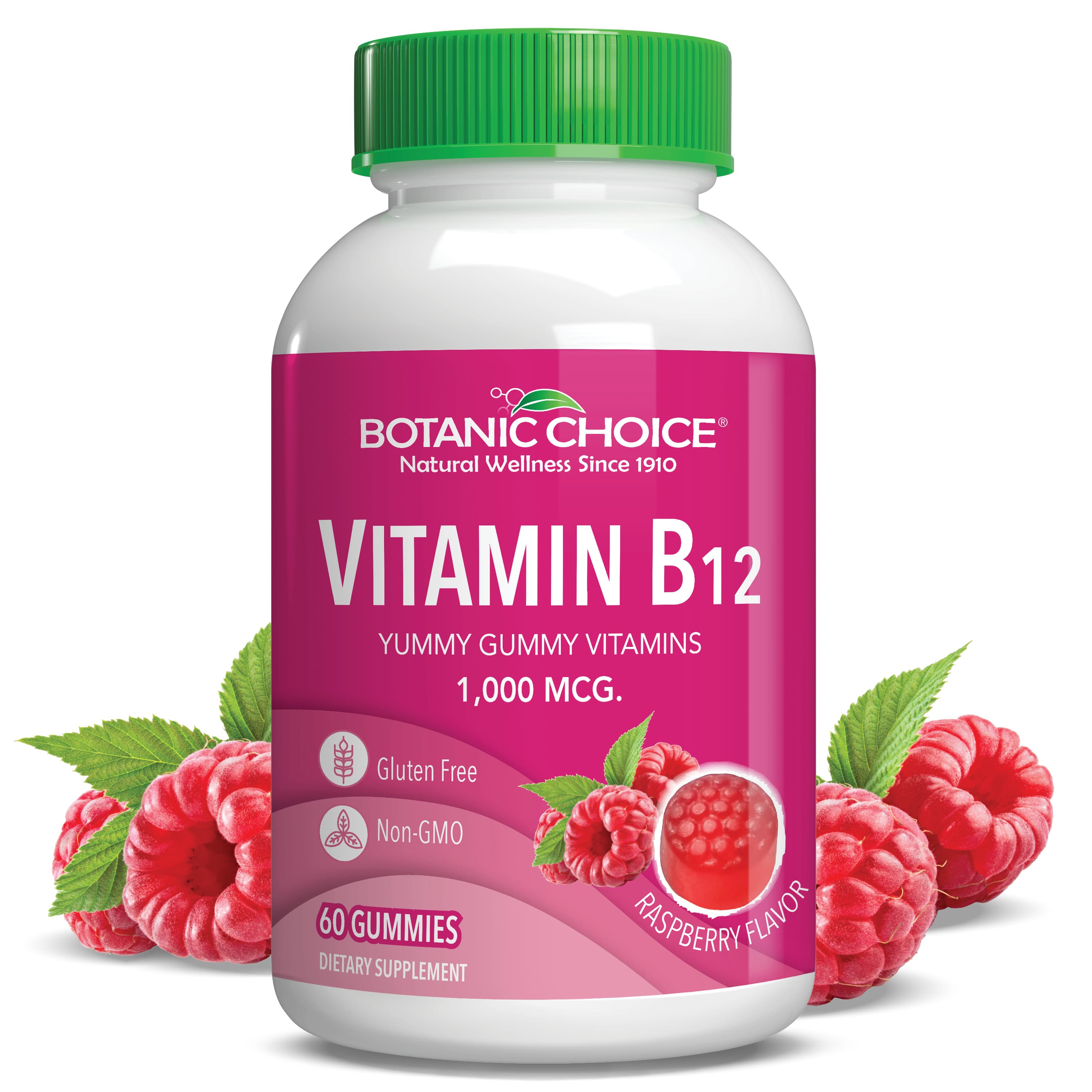
Labels may say cyanocobalamin or methylcobalamin. Read the form and the mcg per serving on the panel.
These statements have not been evaluated by the Food and Drug Administration. This product is not intended to diagnose, treat, cure, or prevent any disease.
Amount and upper limit
Recommended amount. The NIH sheet lists 2.4 mcg a day for teens and adults. Cited sheet
Upper limit. The sheet does not set an upper limit for vitamin B12, because no harmful amount from food or supplements was established there. Cited sheet
Safety
The sheet says low B12 can cause tiredness and nerve problems, and that some people, including many older adults and people who eat little or no animal food, have trouble absorbing it from food. A supplement page is not a diagnosis.
Food sources
The sheet names meat, fish, eggs, dairy, and fortified foods.