What it does
The NIH consumer sheet describes vitamin E as an antioxidant that helps protect cells from damage.
What research can and cannot say
The sheet discusses supplements separately from food. A labeled amount is not a finding that the bottle changes disease risk.
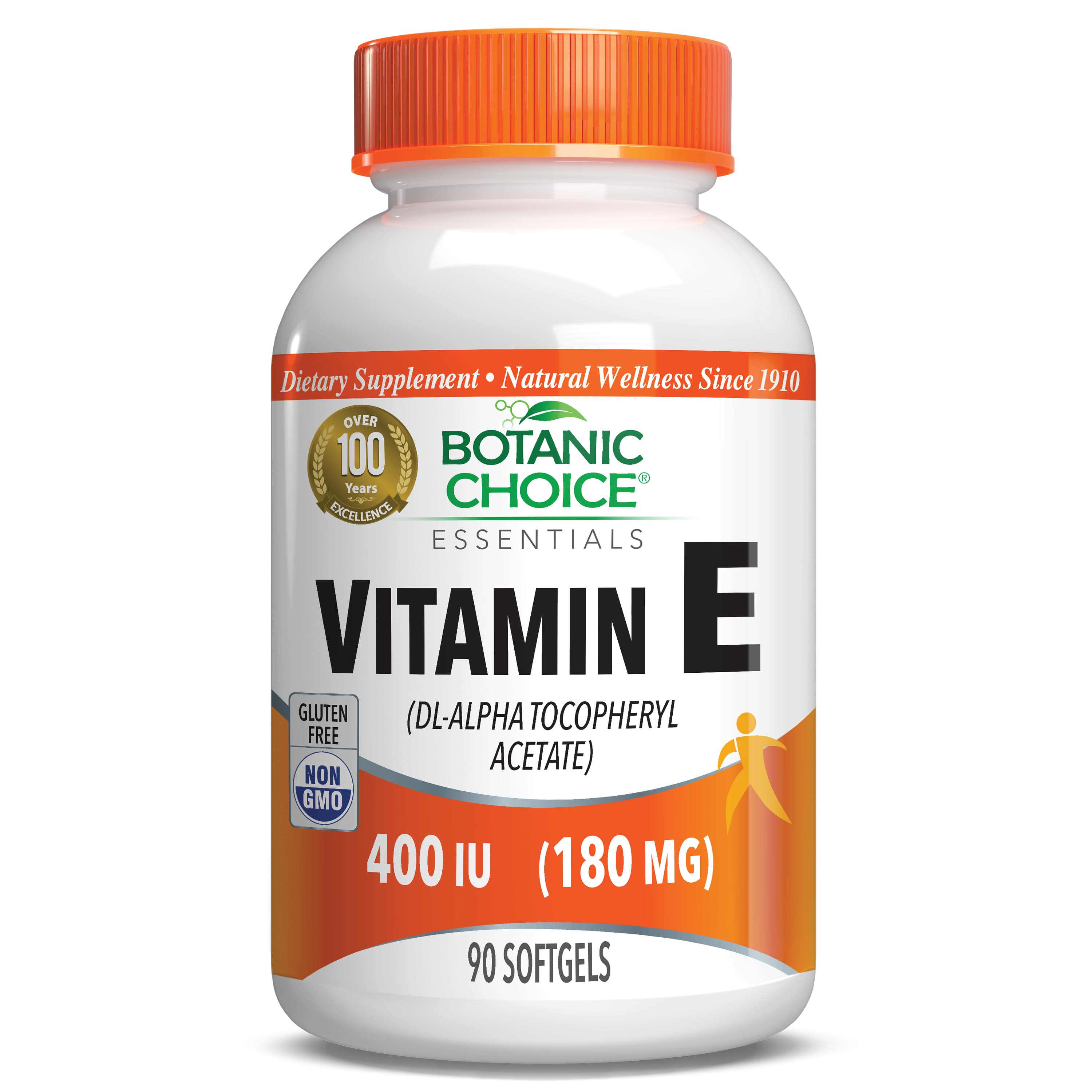
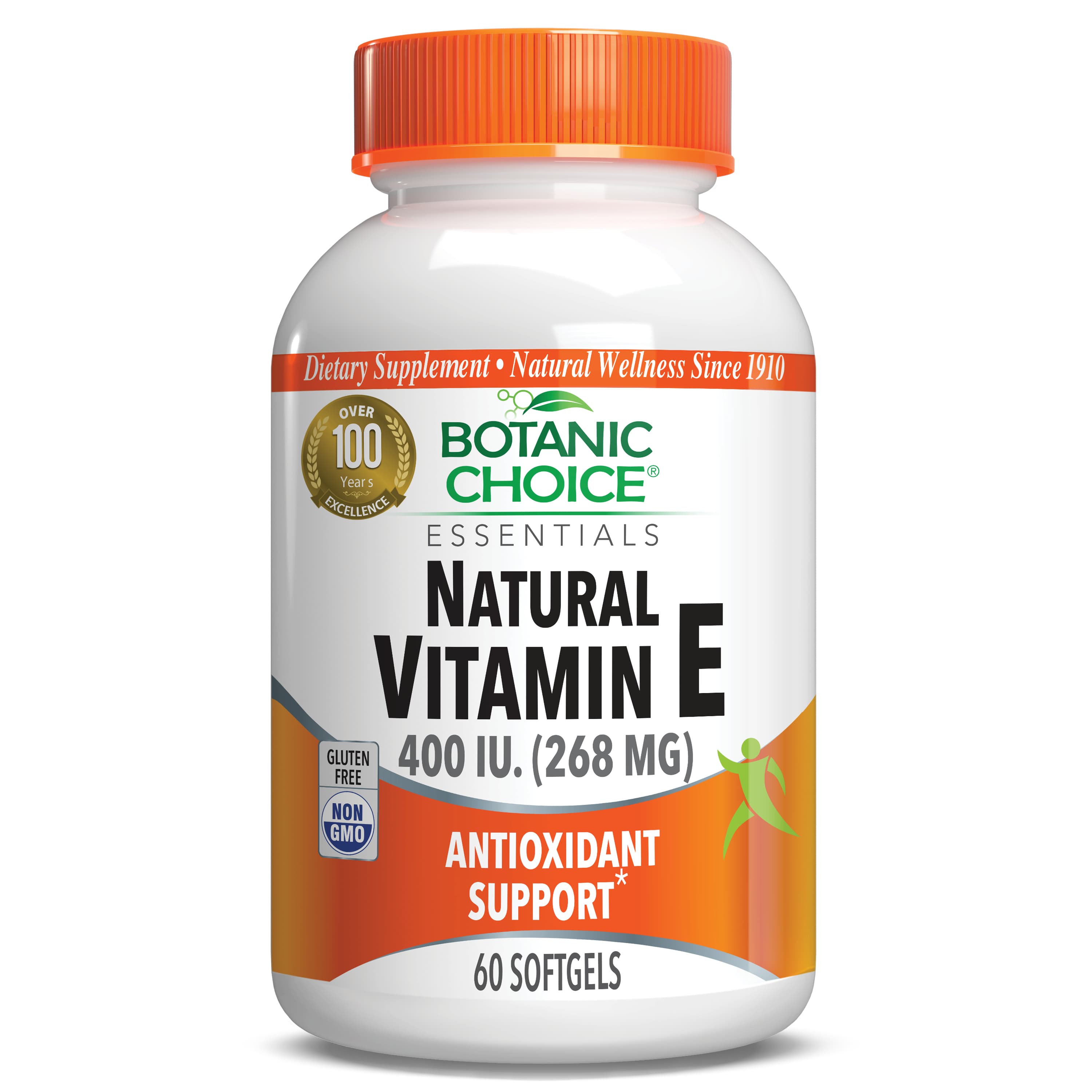
Vitamin E on a label is not a heart or skin promise. Compare the form and the unit the panel prints.
Forms and label reading
Labels may use mg or IU, and they may say d-alpha-tocopherol or dl-alpha-tocopherol. Those units are not interchangeable. Read the unit on the panel.
These statements have not been evaluated by the Food and Drug Administration. This product is not intended to diagnose, treat, cure, or prevent any disease.
Amount and upper limit
Recommended amount. The NIH sheet lists 15 mg a day of alpha-tocopherol for adults. Cited sheet
Upper limit. The sheet lists 1,000 mg a day as the upper limit for adults, from supplements and fortified foods, not from food oils. Cited sheet
Safety
The sheet says high doses from supplements can raise the chance of bleeding, especially with blood-thinning medicine. The upper limit is on this page.
Food sources
The sheet names nuts, seeds, and vegetable oils.