What it does
The NIH sheet says ALA is found mainly in plant oils such as flaxseed, soybean, and canola oils, and that EPA and DHA are found in fish and other seafood.
What research can and cannot say
The sheet says most people in the United States get enough ALA from food, and small amounts of EPA and DHA. It says recommended amounts of EPA and DHA have not been established. A figure reported for fish oil does not transfer to algal oil, krill oil, or a blend.
An omega-3 label is not a result for the heart or for any other outcome. Compare the ALA, EPA, and DHA amounts the panel prints, and keep a blend off a single-ingredient comparison.
Forms and label reading
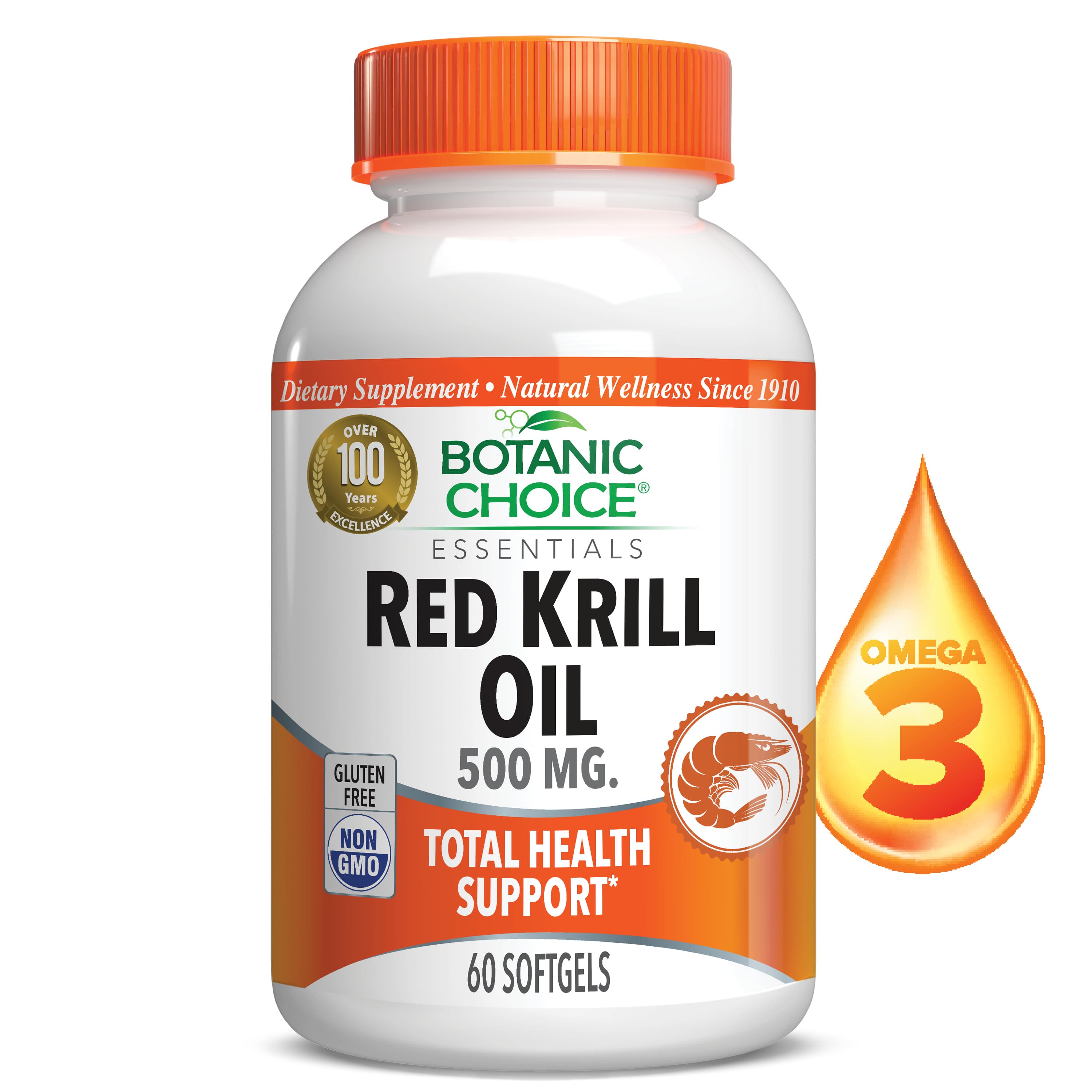
The sheet names fish oil, krill oil, cod liver oil, and algal oil. Algal oil is the vegetarian source, from algae. Those are forms. A result for one of them does not transfer to the others, and a bottle that also lists omega-6 or omega-9 is a blend.
These statements have not been evaluated by the Food and Drug Administration. This product is not intended to diagnose, treat, cure, or prevent any disease.
Amount and upper limit
Recommended amount of ALA. The NIH sheet lists average daily recommended amounts of ALA: 1.6 g for men and for teen boys 14 to 18, and 1.1 g for women and for teen girls 14 to 18. It lists 1.4 g for pregnant teens and women, and 1.3 g for breastfeeding teens and women. The same table lists earlier life stages. The birth-to-12-months figure is total omega-3s. The other figures are ALA alone. Cited sheet
EPA and DHA. The sheet says recommended amounts of EPA and DHA have not been established. Cited sheet
Upper limit from supplements. The sheet says the U.S. Food and Drug Administration recommends consuming no more than 5 g a day of EPA and DHA combined from dietary supplements. Cited sheet
Safety
The sheet says side effects from omega-3 supplements are usually mild, including an unpleasant taste, bad breath, heartburn, nausea, stomach discomfort, diarrhea, headache, and smelly sweat. It says high doses may cause bleeding problems when taken with warfarin (Coumadin) or other anticoagulant medicines.
Food sources
The sheet names fish and other seafood, especially cold-water fatty fish such as salmon, mackerel, tuna, herring, and sardines; nuts and seeds such as flaxseed, chia seeds, and walnuts; plant oils such as flaxseed oil, soybean oil, and canola oil; and fortified foods such as certain brands of eggs, yogurt, juices, milk, soy beverages, and infant formulas.