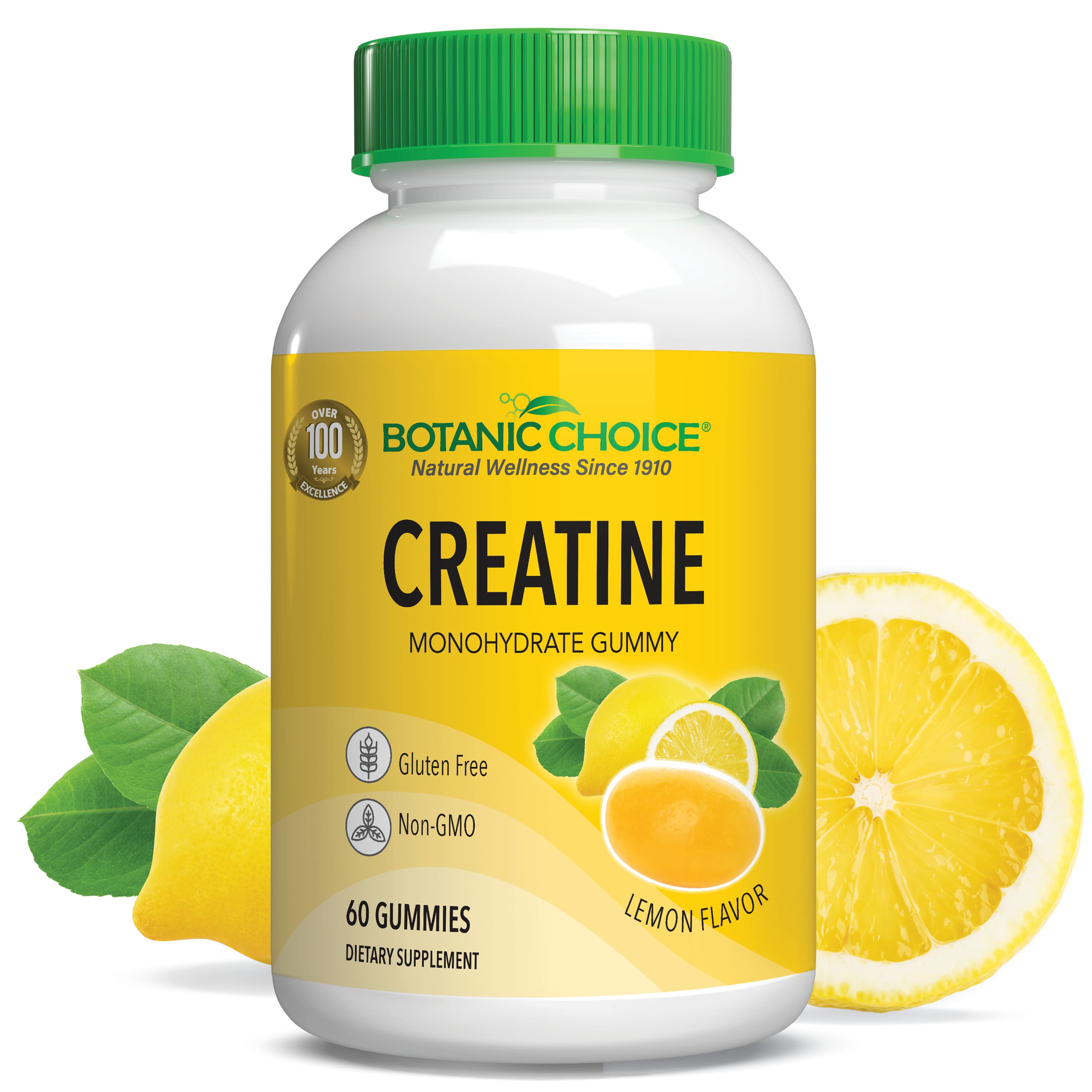
What it does
The NIH exercise sheet describes creatine as stored in muscle and used when muscle needs quick energy for short, intense effort.
What research can and cannot say
That sheet discusses creatine monohydrate in research on high-intensity exercise and on gaining strength with training. It does not set a personal dose, and this page does not rank brands.
A creatine label is not a promise of muscle gain. The container price is the price of that container. Serving size and servings in the container are separate label facts.
Forms and label reading
Monohydrate is the form named most often on labels and on the NIH exercise sheet. Powders and capsules are package types. Keep the form and the serving distinct when you compare containers.
These statements have not been evaluated by the Food and Drug Administration. This product is not intended to diagnose, treat, cure, or prevent any disease.
Amount and upper limit
Recommended amount. The NIH exercise sheet does not list a recommended daily amount of creatine for the general public. Cited sheet
Upper limit. The exercise sheet does not list an upper limit for creatine. Read the grams per serving on the label as a label fact. Cited sheet
Safety
The exercise sheet says creatine may cause weight gain from water in muscle, and that stomach upset has been reported. Some states limit sales of muscle-building supplements to people under 18. New York's rule is in effect. California's similar rule is scheduled to take effect on January 1, 2027. That is a state retail rule, not an FDA ban on creatine.
Food sources
The exercise sheet notes that creatine is in meat and fish, and that the body also makes it.