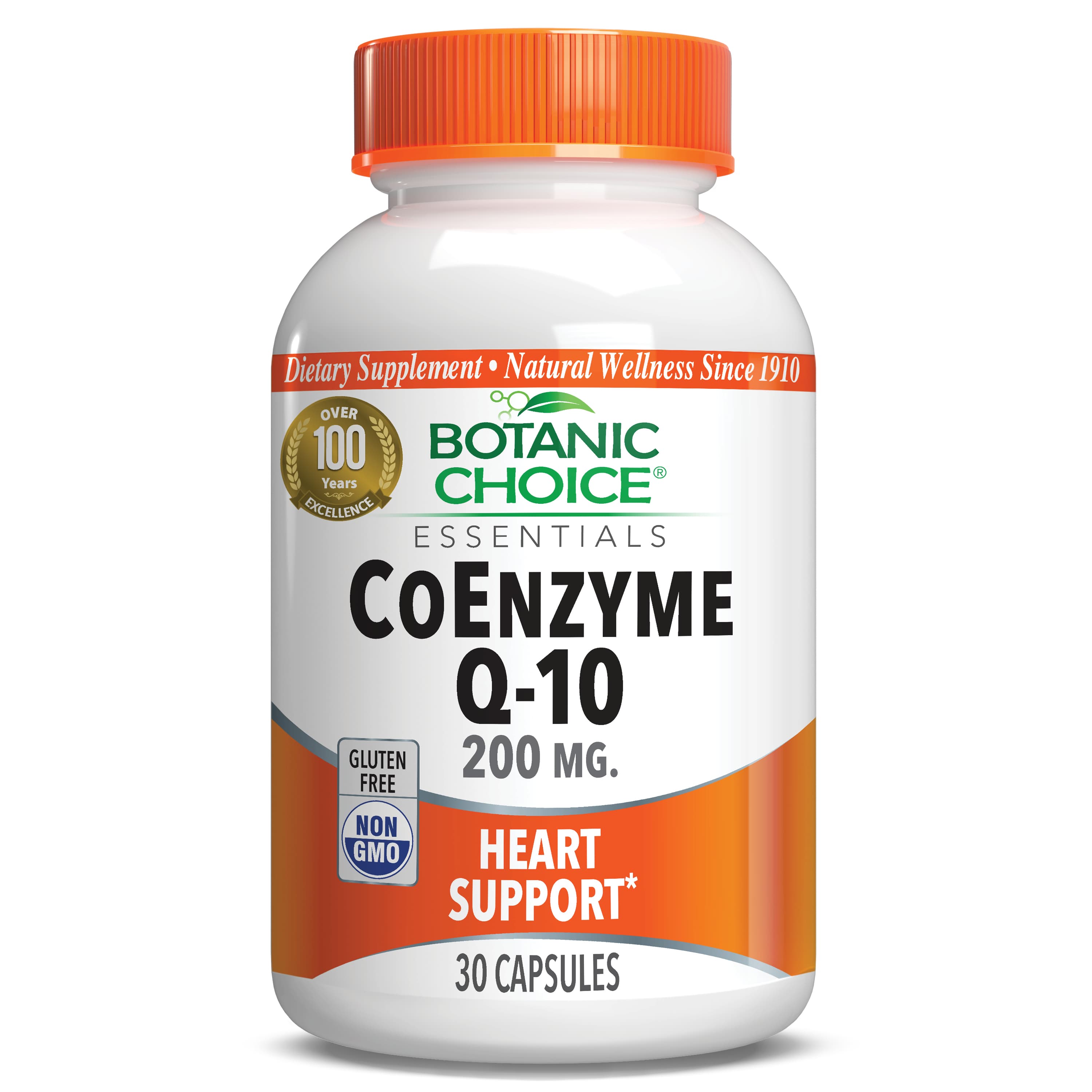
What it does
The NCCIH page describes coenzyme Q10 as a substance the body uses in energy production in cells. It is also an antioxidant in that description.
What research can and cannot say
NCCIH summarizes research on several conditions and says results are mixed or limited for many of them. This page does not pick a winner among those conditions.
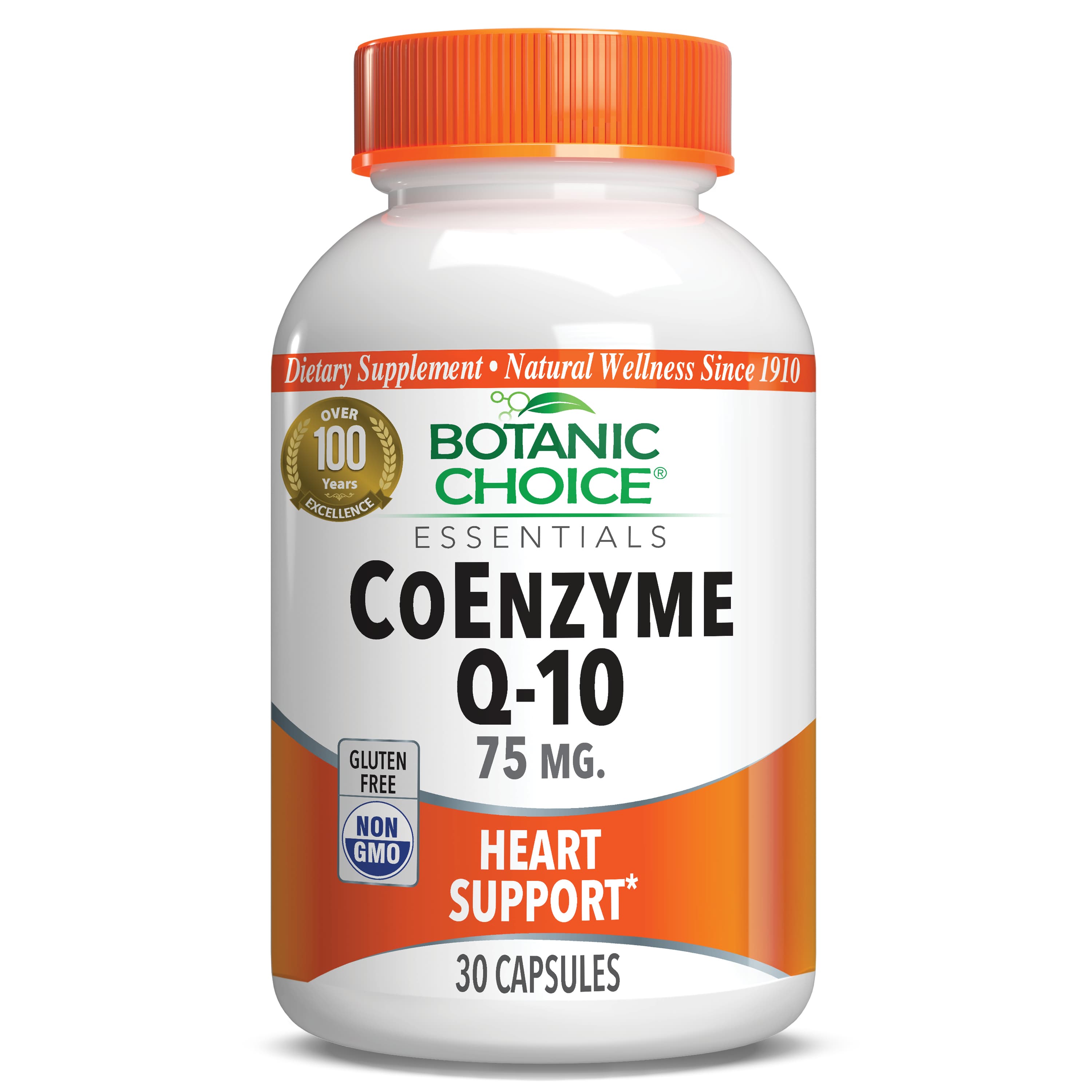
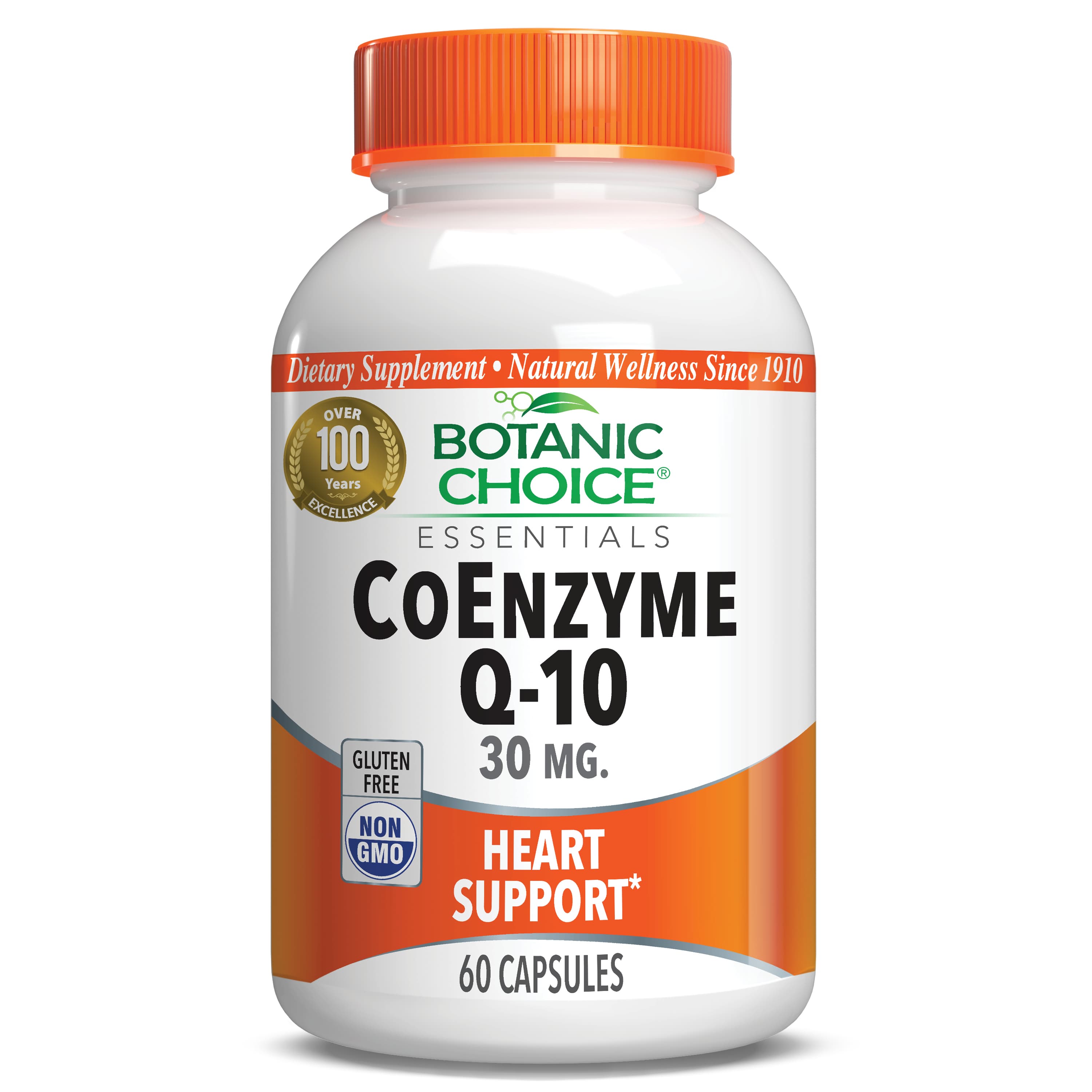
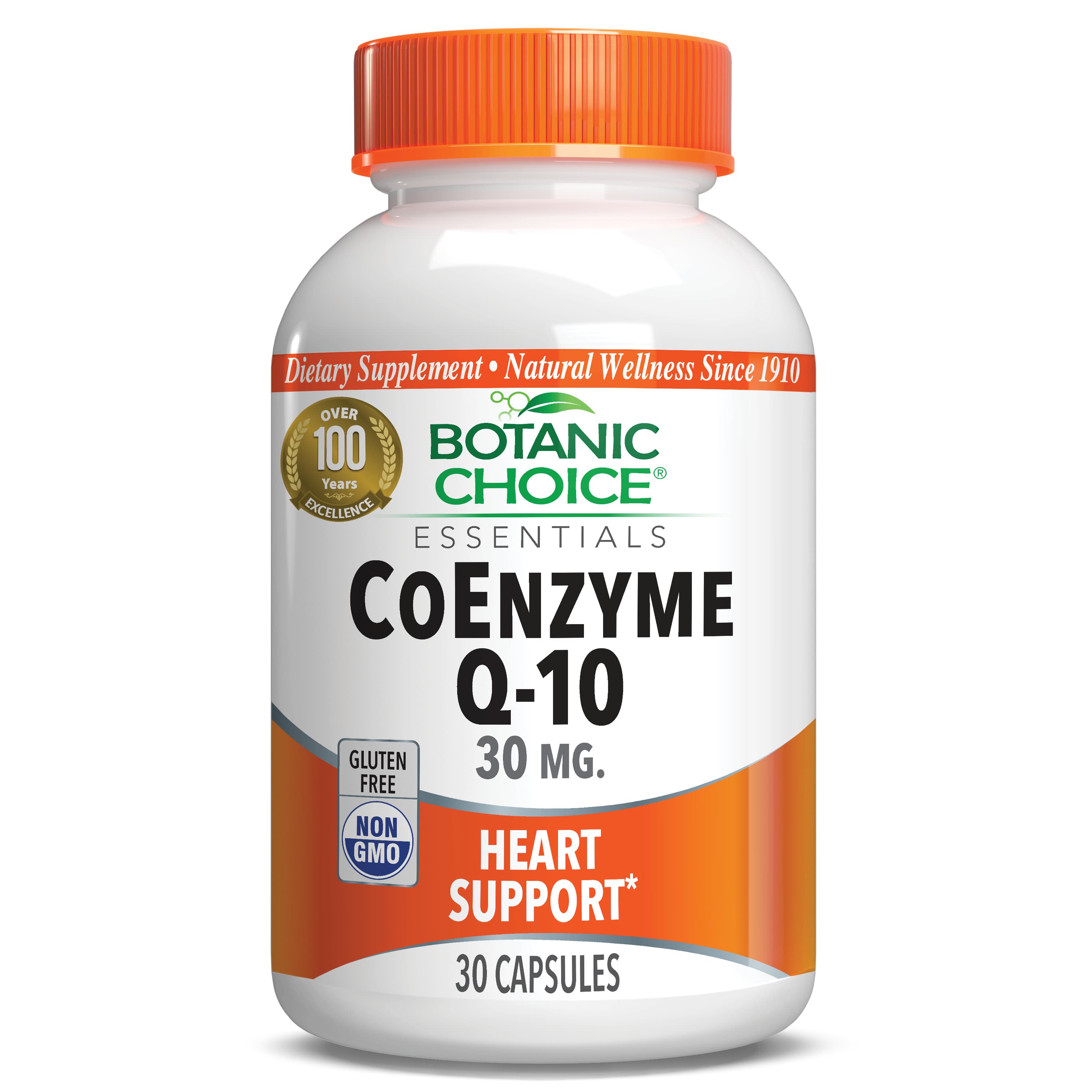
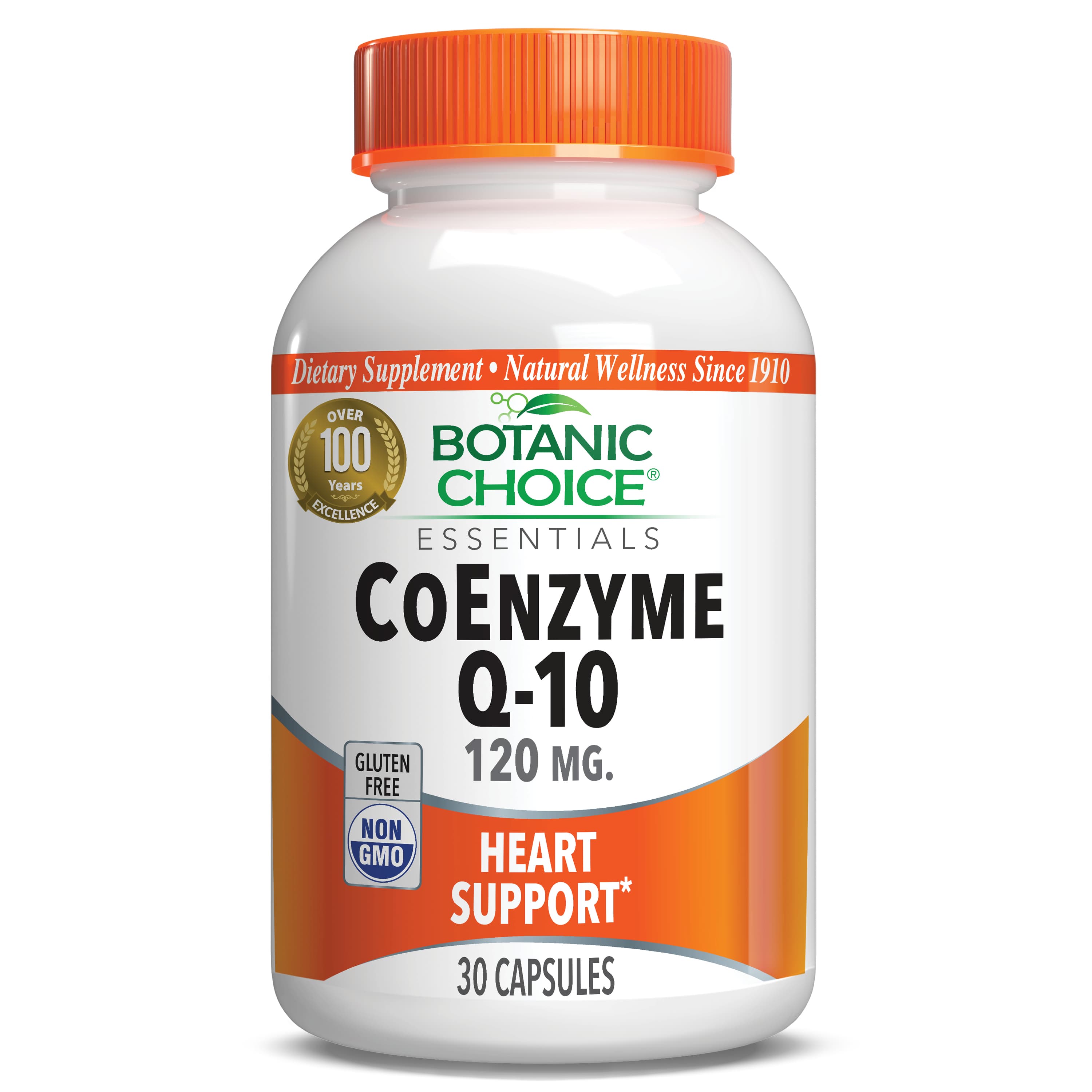
CoQ10 on a label is not proof that the bottle changes heart function, energy, or any other outcome. Ubiquinol and ubiquinone are forms, not a quality grade.
Forms and label reading
Labels may say ubiquinone or ubiquinol, and they may spell the name CoQ10, CoQ 10, or CoQ-10. Those are names for the same family of ingredient, not a ranking.
These statements have not been evaluated by the Food and Drug Administration. This product is not intended to diagnose, treat, cure, or prevent any disease.
Amount and upper limit
Recommended amount. The NCCIH page does not list a recommended daily amount for coenzyme Q10. Cited sheet
Upper limit. The NCCIH page does not list an upper limit. Read the amount printed on the Supplement Facts panel as a label fact, not as a personal dose. Cited sheet
Safety
The NCCIH page says coenzyme Q10 has been described as generally well tolerated, and that it can interact with some medicines, including warfarin. That interaction note is a reason to read the page, not a personal instruction.
Food sources
The NCCIH page notes that meat, fish, and nuts contain small amounts.