Research, evidence, and sources
What this page is for
Pain, sudden weakness, or a fall is not a label question. Those belong with a clinician.
What the reviewed sources say
“Your muscles need it to move, and your nerves need it to carry messages between your brain and your body.”
The NIH consumer fact sheet says your muscles need vitamin D to move, and your nerves need it to carry messages. A shortage may lead to weak, painful muscles. In teens and adults, vitamin D deficiency causes osteomalacia, a disorder with bone pain and muscle weakness. In children, severe deficiency causes rickets.
Vitamin D helps the body absorb calcium. Together they are discussed for bone health. Taking vitamin D and calcium supplements slightly increases bone strength in older adults. The fact sheet says it is not clear whether they reduce the risk of falling or breaking a bone. That bone finding is not evidence that a vitamin D product improves a workout or loosens a joint.
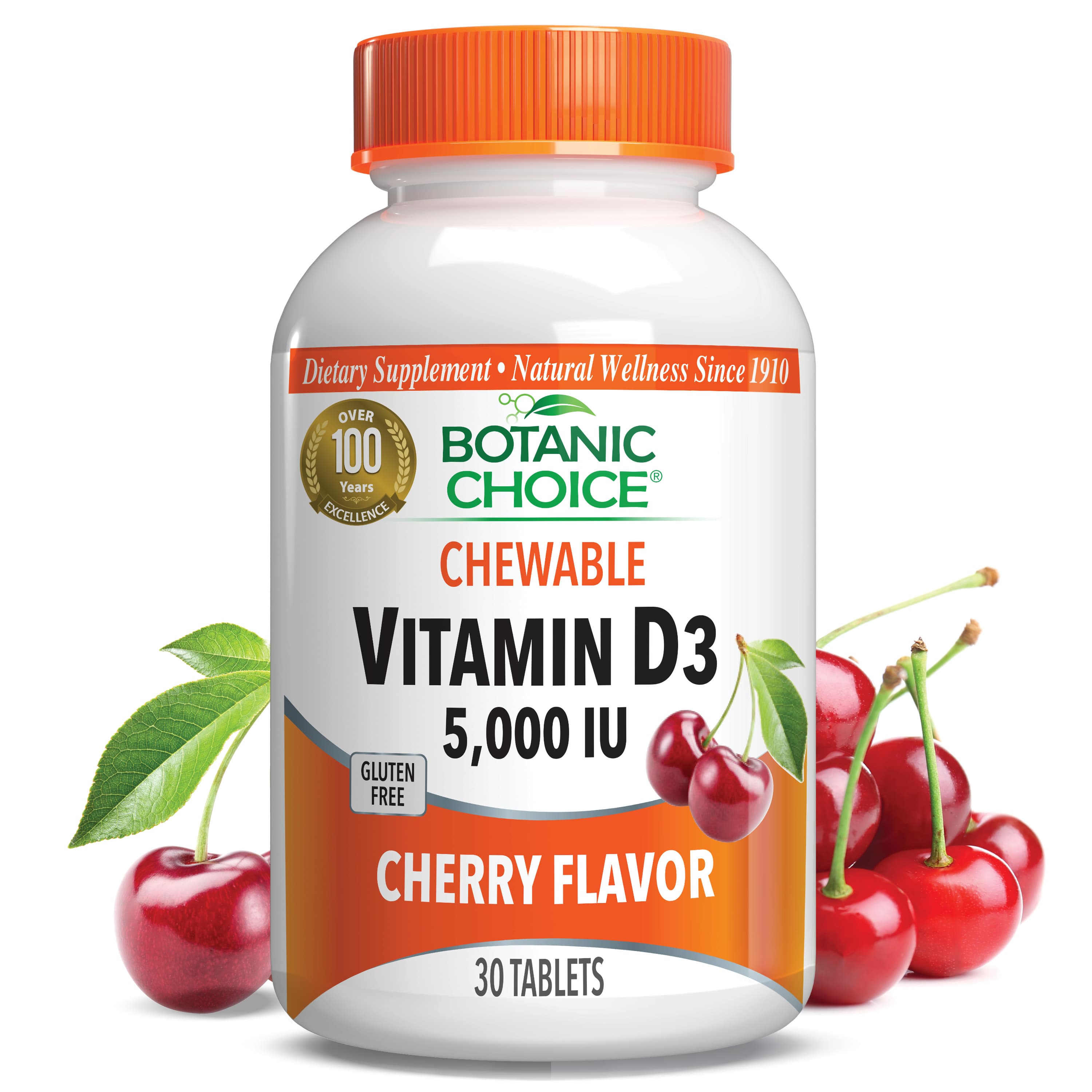
Supplements come as D2 (ergocalciferol) and D3 (cholecalciferol). Both raise vitamin D in the blood. The fact sheet says D3 might raise it higher and for longer than D2. Adults 19 to 70 are listed at 15 micrograms (600 IU) a day, and adults 71 and older at 20 micrograms (800 IU). Those are reference amounts for healthy people, not a personal dose. Too much vitamin D from supplements can cause nausea, muscle weakness, confusion, and kidney stones. You cannot get too much vitamin D from sunshine, because skin limits how much it makes.
Vitamin D — Consumer Fact Sheet NIH Office of Dietary Supplements. Updated 2022-11-08. Retrieved 2026-10-07.
How to compare a label
“The nutrition label for a dietary supplement is called a “Supplement Facts” panel.”
Start with the Supplement Facts panel. The FDA’s labeling guide uses that name for a dietary supplement’s nutrition label.
Read the ingredient name, the amount per serving, and the serving size. A blend that lists several ingredients is a different product from a bottle that is only one of them. The price on a retailer card is the package price, not a price per serving, and a sale ribbon is not a checked comparison price.
- Dosage unit converterConvert grams, milligrams, and micrograms. IU converts only when the vitamin form is known.
- Price per servingSee what one serving costs from the container price and the servings on the label.
- Cost per labeled amountSee what a labeled amount of an ingredient costs. A second product is optional.
- Daily nutrient targetsPublished folate, magnesium, and vitamin A figures for a life stage.
Dietary Supplement Labeling Guide: Chapter IV. Nutrition Labeling U.S. Food and Drug Administration. Retrieved 2026-10-05.
Sources
- Vitamin D — Consumer Fact Sheet NIH Office of Dietary Supplements. Updated 2022-11-08. Retrieved 2026-10-07.
- Dietary Supplement Labeling Guide: Chapter IV. Nutrition Labeling U.S. Food and Drug Administration. Retrieved 2026-10-05.